
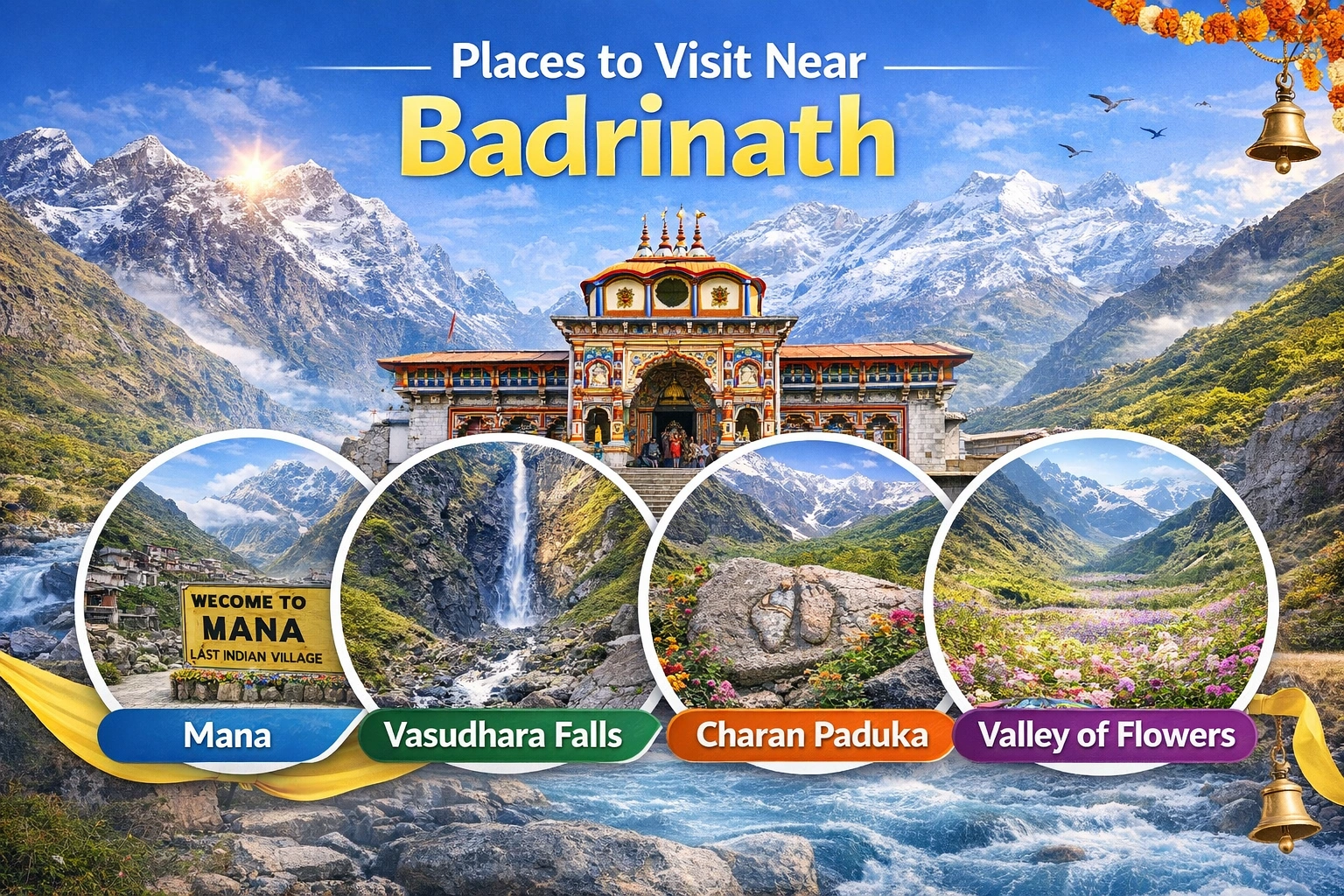
When you complete your darshan at the sacred Badrinath temple and step out into the crisp mountain air, you’ll notice something immediately—the sky here holds a depth of blue you won’t find anywhere else. The Alaknanda River roars beside you with a force that you feel in your chest, and the surrounding peaks stand like ancient sentinels, their snow-covered crowns piercing through wisps of clouds. But here’s what most pilgrims miss: the real treasure of this Himalayan region isn’t just the main shrine—it’s the constellation of sacred sites, untouched villages, and breathtaking valleys that surround it.
After guiding thousands of travelers through these mountain roads over the past decade, I’ve learned that places to visit near Badrinath offer experiences that rival—and sometimes surpass—the main temple itself. From the last Indian village before Tibet to meadows carpeted with Himalayan flowers, this region demands more than a rushed one-day visit.
Why Exploring Badrinath Nearby Places Matters for Your Pilgrimage
The Garhwal Himalayas operate on a different clock. Rush through Badrinath in a single day, and you’ll miss the ethereal morning mist that rises from the hot springs at Tapt Kund. You’ll miss the way afternoon light transforms the Neelkanth peak into molten gold. Most critically, you’ll miss the profound spiritual ecosystem that makes this region one of Hinduism’s most revered Char Dham destinations.
Badrinath tourist places extend far beyond the temple complex. This area serves as a natural museum of mythology, geology, and living culture. Each Badrinath sightseeing location tells a story—whether it’s the cave where Adi Shankaracharya meditated or the meadow where locals believe the Pandavas walked during their final journey.
Essential Places to Visit in Badrinath: The Unmissable Circuit
Mana Village: Where India Meets the Sky
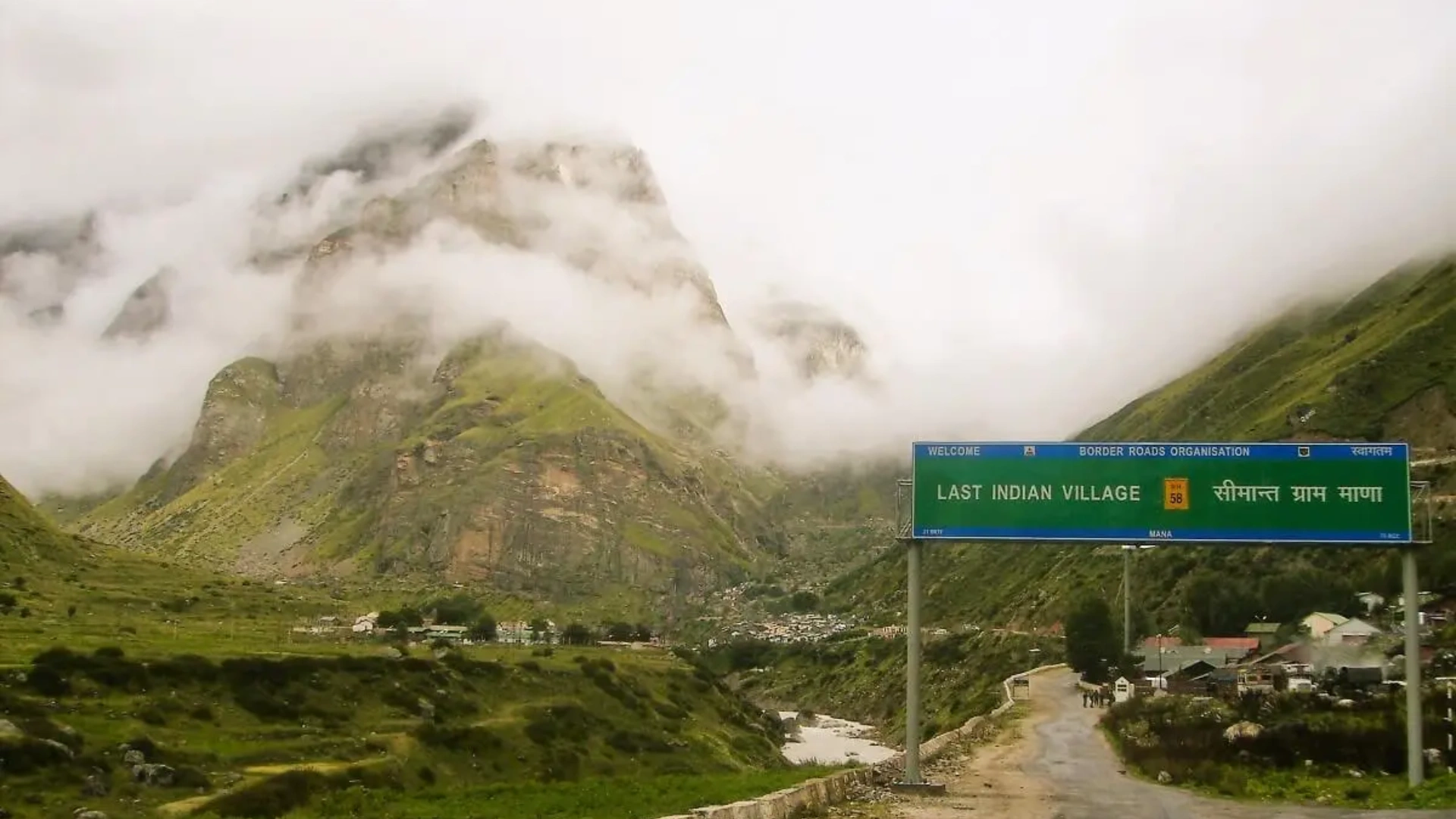 Just 3 kilometers from Badrinath temple sits Mana—officially India’s last village before the Indo-Tibet border. But calling it just a “village” undersells the experience dramatically.
What makes Mana special:
- Altitude: 3,200 meters, where oxygen feels noticeably thinner with each breath
- The Saraswati River: You’ll cross a narrow bridge over this glacial stream—ice-cold even in summer, rushing with such force that locals won’t let children near its banks during monsoon
- Bhim Pul: A massive boulder bridge that mythology credits to Bhim, but geology shows as a fascinating natural formation across the roaring Saraswati
- Vyas Gufa: The cave where Ved Vyasa supposedly dictated the Mahabharata to Lord Ganesha. Inside, the temperature drops 10 degrees, and moisture drips from ancient rock formations
Local insight: Visit Mana early morning (7-8 AM) when the village is quiet. You’ll see elderly women weaving traditional carpets on wooden looms—a craft passed down through 40+ generations. The rhythmic clacking of the loom against mountain silence creates an almost meditative soundtrack.
Travel time from Badrinath: 10-15 minutes by taxi
Vasudhara Falls: The Waterfall That Chooses Its Devotees
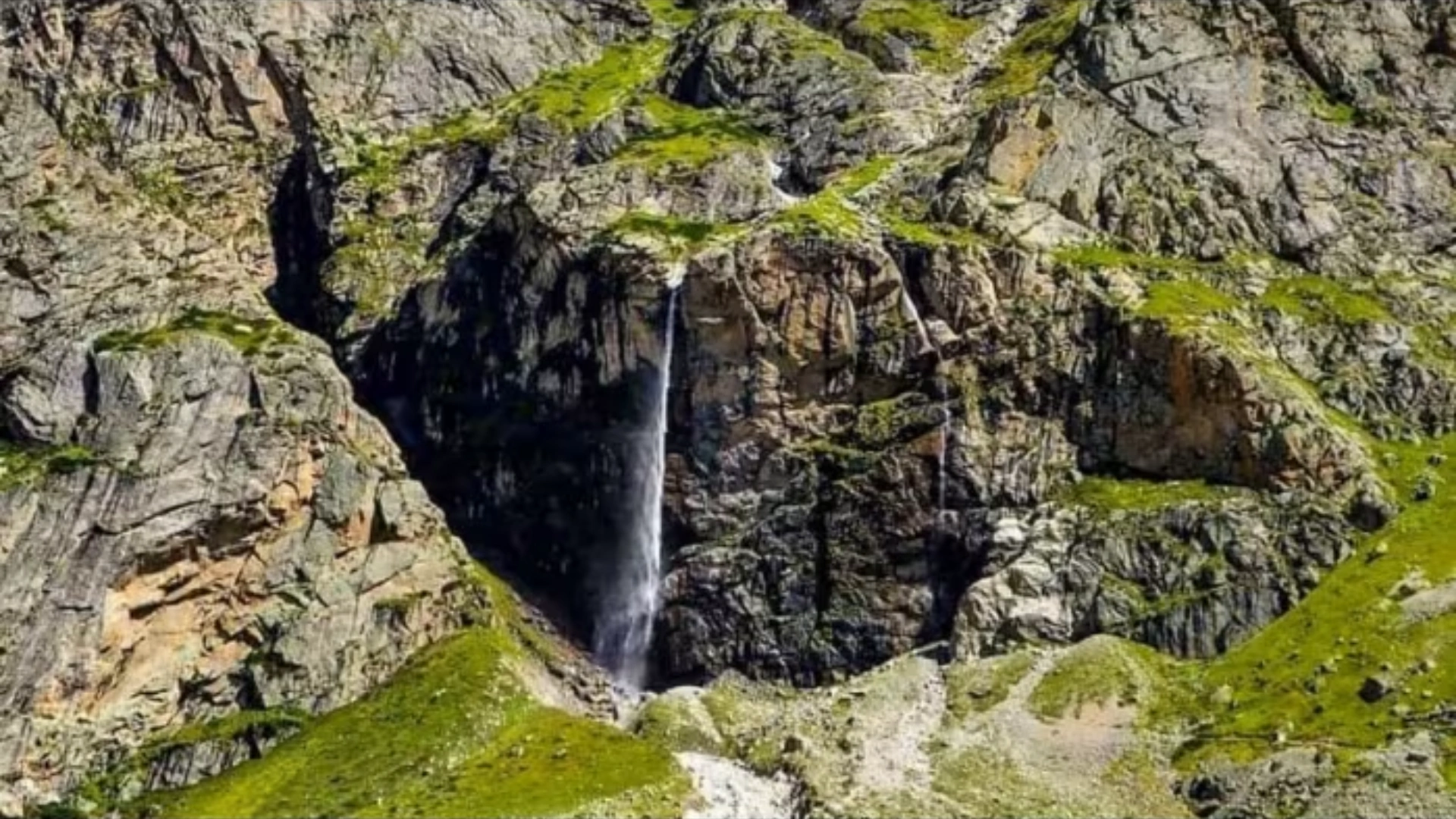
This isn’t your typical waterfall. At 122 meters, Vasudhara cascades from cliffs with such force that local folklore claims only the pure-hearted get wet—others remain dry even standing beneath it.
Trek details:
- Starting point: Mana Village
- Distance: 6 kilometers one way
- Duration: 3-4 hours round trip
- Difficulty: Moderate to challenging (steep inclines, rocky terrain)
- Best time: June to October when paths are snow-free
What to expect on the trail: The initial 2 kilometers wind through birch forests where the bark peels in papery sheets. By kilometer 3, you’re above the tree line—just rocky moorland with purple Himalayan primulas dotting the landscape. The final approach requires crossing streams on slippery stones, and the altitude (approximately 3,600 meters at the falls) makes every step deliberate.
Safety note: Weather shifts rapidly here. Morning sunshine can turn to hail within 30 minutes. Our drivers wait at Mana Village base, equipped with emergency blankets and oxygen cylinders for trekkers who overestimate their acclimatization.
Satopanth Lake: For the Serious Trekker
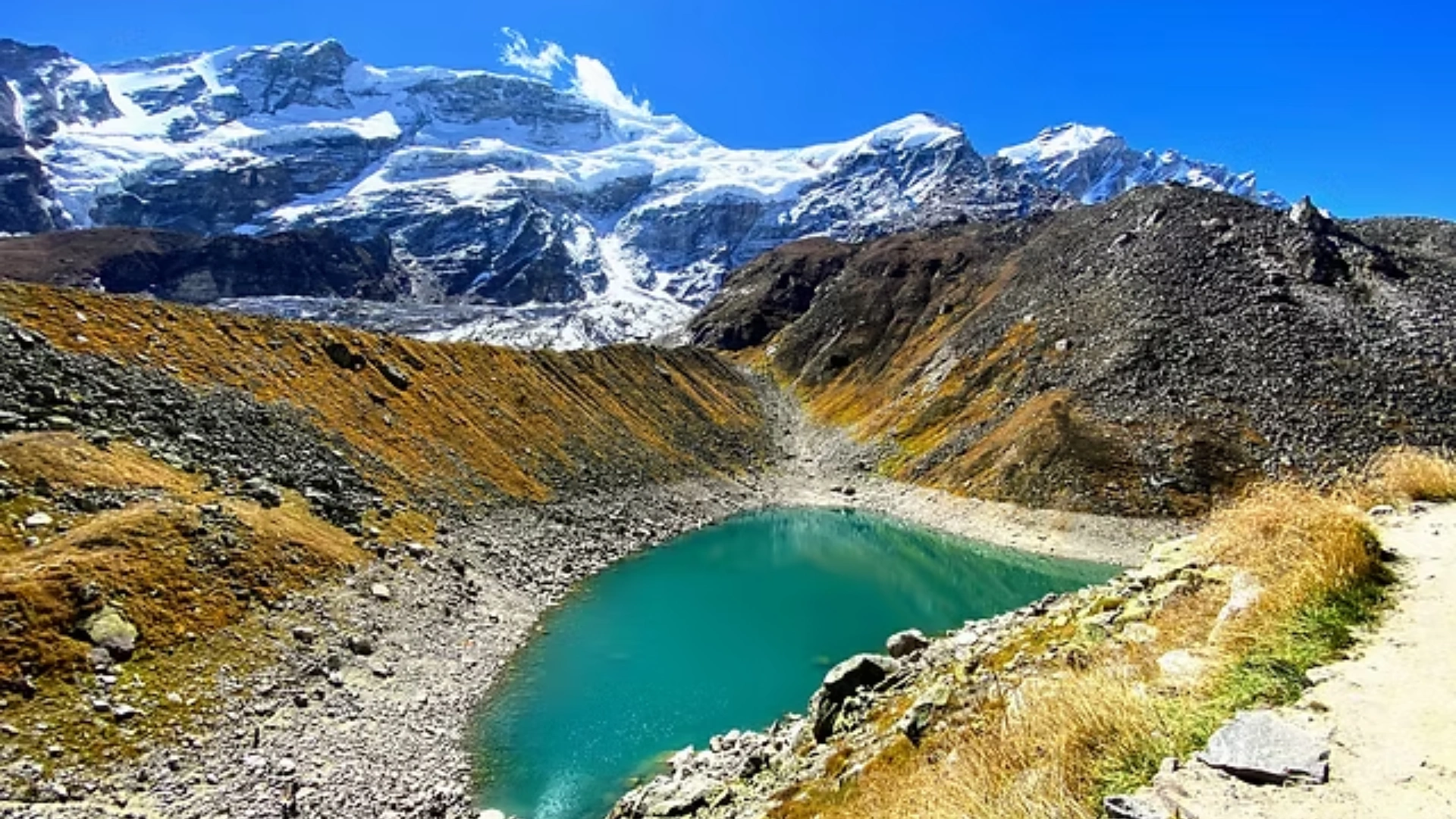
While most places near Badrinath require minimal trekking, Satopanth Lake sits in a different category entirely. This triangular glacial lake at 4,600 meters demands respect, preparation, and at least 2-3 days.
Why it’s worth the effort: According to mythology, the trinity—Brahma, Vishnu, and Mahesh—bathed here. Whether you subscribe to the legend or not, the reality is stunning: a pristine water body reflecting three surrounding peaks, creating a natural mandala of rock, ice, and sky.
Trek requirements:
- Multi-day permit from forest department
- Acclimatization days in Badrinath
- Professional guide (mandatory for safety)
- Camping equipment for overnight stays
Most visitors don’t attempt Satopanth, but knowing it exists adds depth to understanding why Badrinath places to visit range from accessible to extreme-adventure territory.
Neelkanth Peak: The Backdrop You Can’t Stop Photographing
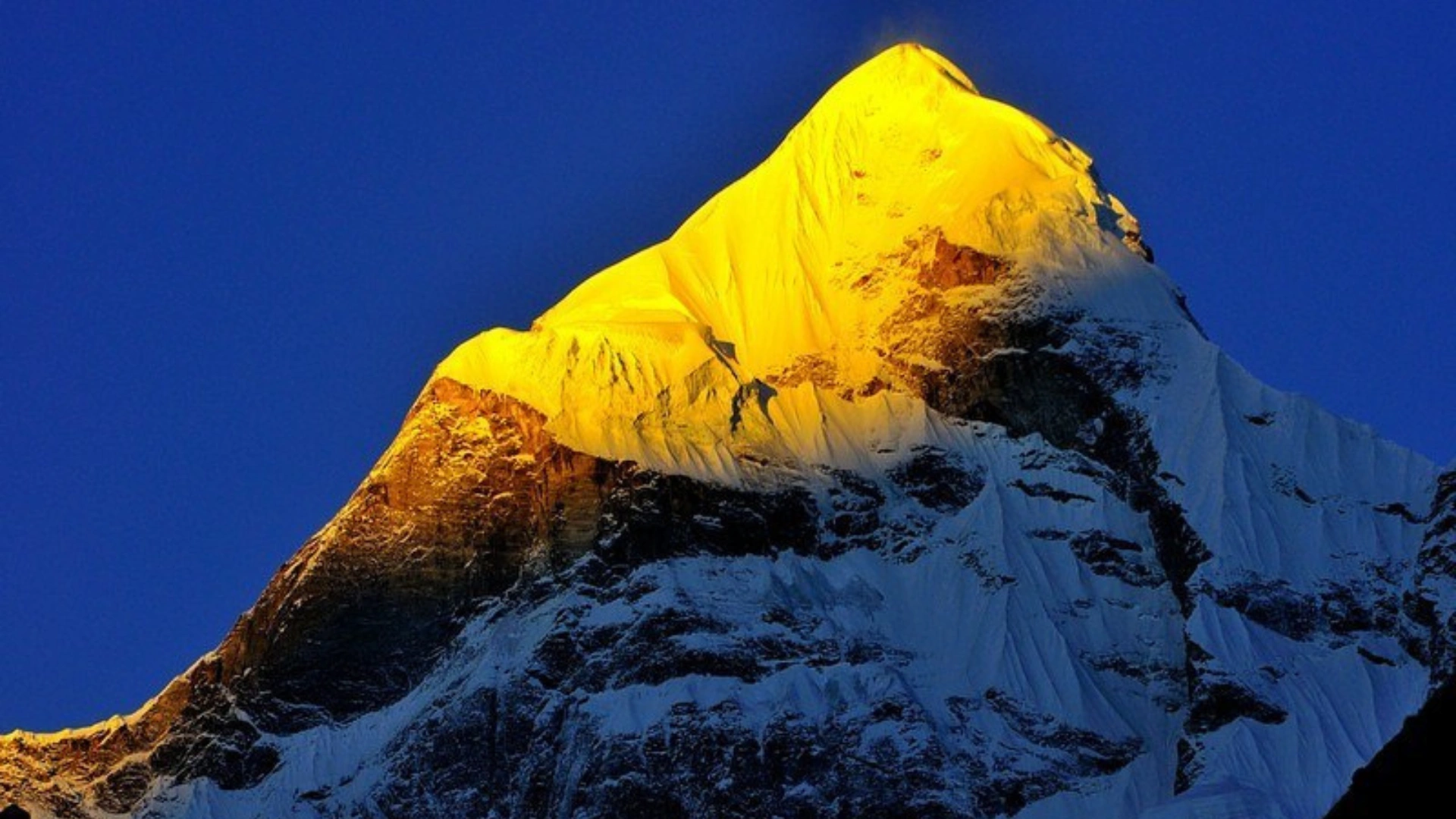
Visible from Badrinath temple, Neelkanth Peak (6,596 meters) dominates the skyline. Its name means “blue throat”—a reference to Lord Shiva drinking poison during the cosmic churning of the ocean.
Best viewpoints:
- From Badrinath temple courtyard: Classic view, especially during evening aarti when temple bells echo against the mountain
- From Mana Village approach: Side profile showing the peak’s dramatic ridgeline
- From Charan Paduka: Elevated perspective with the Alaknanda Valley in the foreground
Photography tip: The peak turns pink during sunrise (around 5:30-6:00 AM in summer). Position yourself near Tapt Kund with the steam rising—it creates an otherworldly foreground for the illuminated peak.
Charan Paduka: Rock Imprints and Panoramic Views
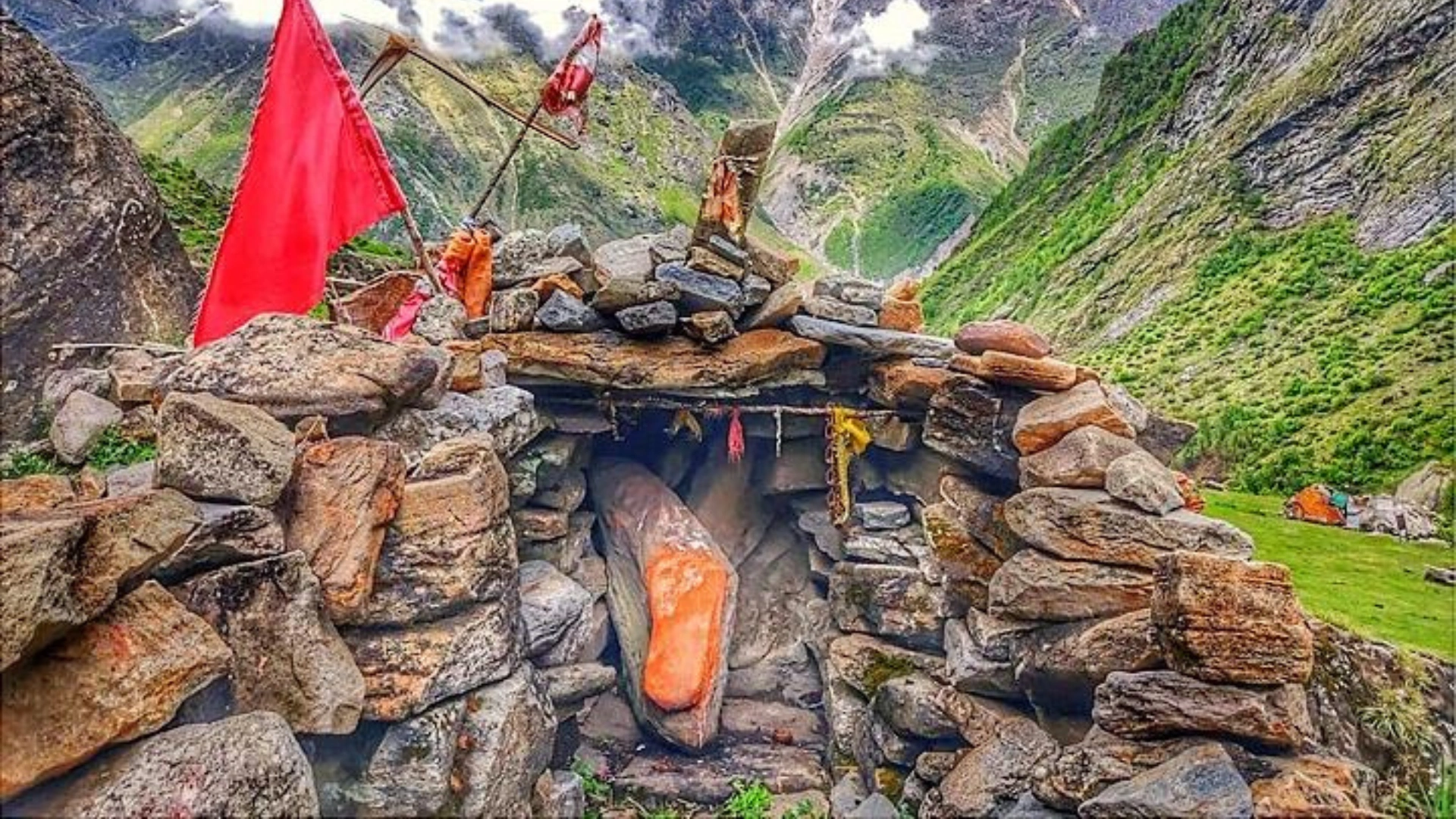
A 3-kilometer uphill walk from Badrinath leads to Charan Paduka, a rock bearing what devotees believe are Lord Vishnu’s footprints.
The climb:
- Well-maintained stone steps (approximately 2.5 km steep ascent)
- Elevation gain: about 150 meters
- Time required: 1.5 hours up, 1 hour down
- Best attempted early morning to avoid afternoon heat
What you’ll experience: The trail passes through deodar and oak forests. About halfway up, you’ll encounter a small tea stall run by a local family—their masala chai, brewed with glacier water and fresh ginger, tastes different than any chai you’ve had at lower altitudes. The altitude somehow sharpens flavors.
At the top, the rock formation is less impressive than the 360-degree view: Badrinath temple appears tiny below, Neelkanth Peak looms directly ahead, and the entire Alaknanda Valley stretches southward like a green serpent between mountain walls.
Hill Stations Near Badrinath: Extended Exploration
Auli: The Meadow of Flowers Turned Ski Paradise
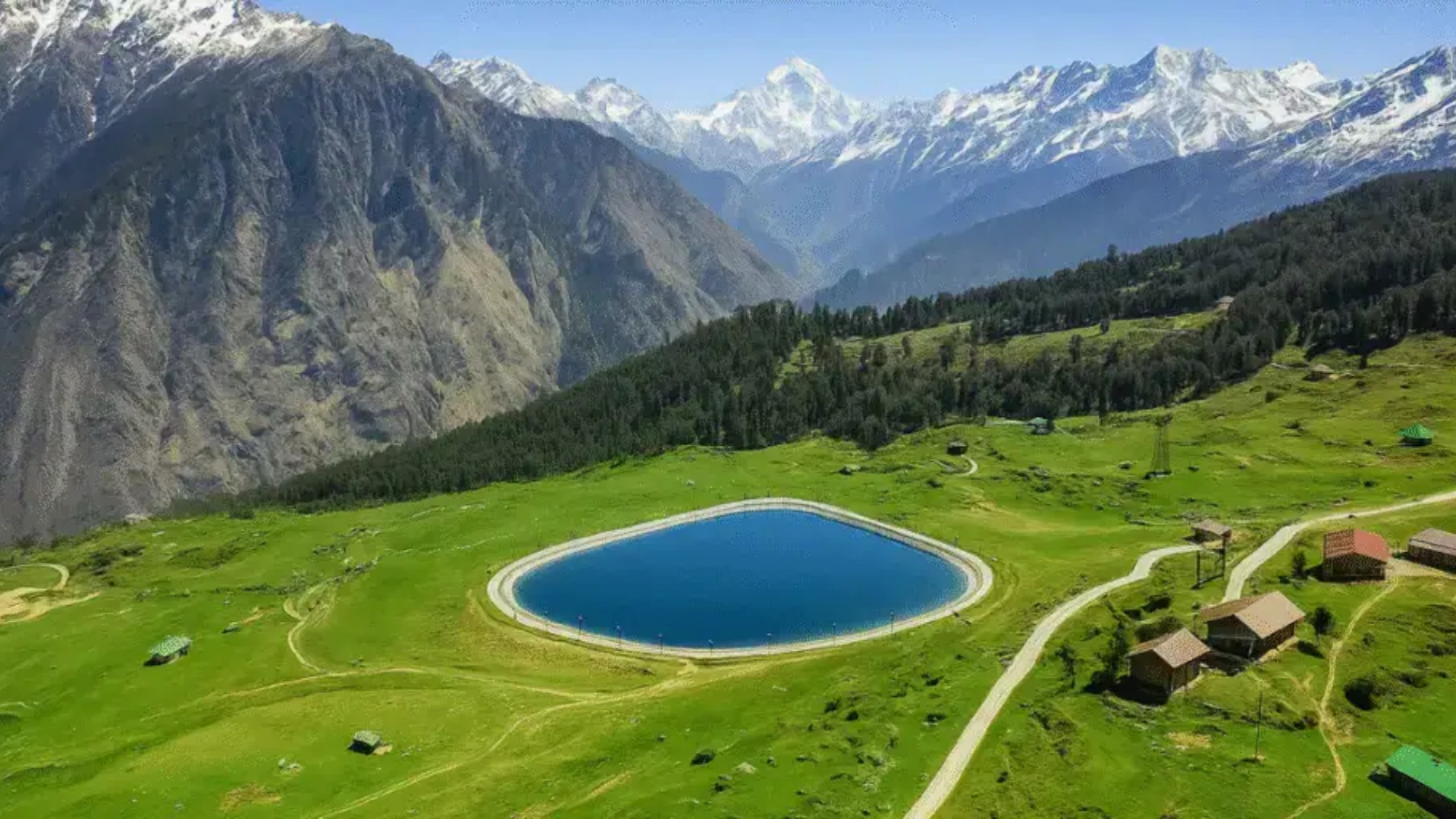
Distance from Badrinath: 60 kilometers (approximately 3 hours by taxi via Joshimath)
Auli operates on a split personality. In winter (December-March), it’s Uttarakhand’s premier skiing destination with slopes that challenge even experienced skiers. In summer (May-October), it transforms into rolling meadows where you can actually see the curvature of alpine slopes creating natural amphitheaters.
What sets Auli apart:
- The cable car: India’s longest ropeway (4 kilometers) connecting Joshimath to Auli, offering views that make your stomach drop
- Gurso Bugyal: A meadow within Auli where wildflowers bloom in such profusion that the ground disappears under purple, yellow, and white carpets
- Nanda Devi views: On clear days, Nanda Devi (7,816 meters) appears so close you feel you could touch it
DivaShree Cabs routing: We take the Joshimath route, which includes a breakfast stop at a local dhaba in Joshimath serving authentic Garhwali cuisine—siddu (steamed bread) with ghee that locals make from grass-fed mountain cow milk.
Joshimath: The Gateway with Its Own Sacred Significance
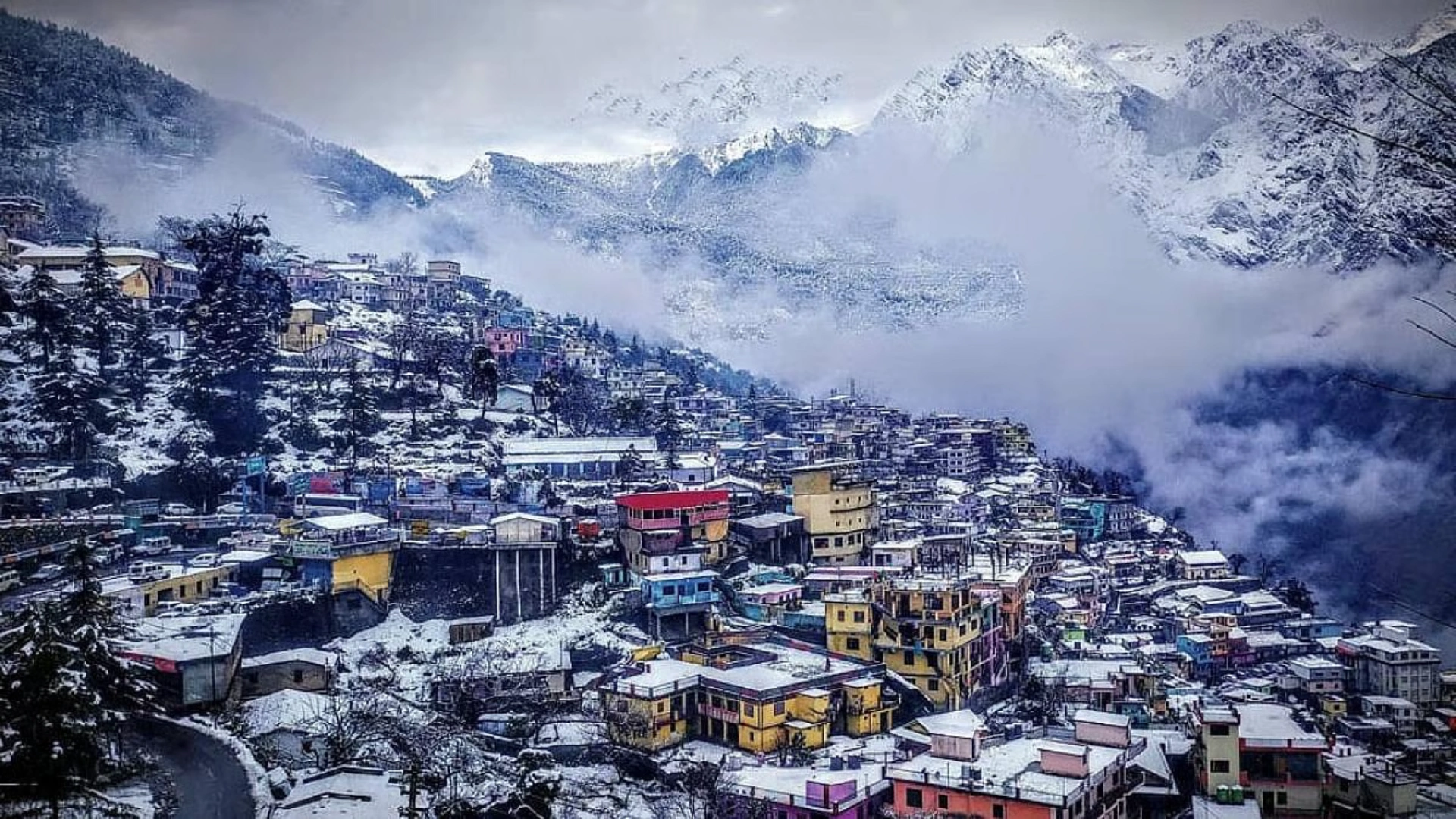
Distance from Badrinath: 45 kilometers (1.5 hours)
Often treated as just a transit point, Joshimath deserves a dedicated stop. This town serves as the winter seat of Lord Badrinath when the main temple closes due to snow (November-April).
Key Joshimath attractions:
- Narasimha Temple: Houses an ancient idol with a fascinating legend—locals believe the idol’s arm is gradually thinning, and when it breaks completely, the mountains will close the Badrinath route forever
- Shankaracharya Math: Established by Adi Shankaracharya in the 8th century, still functioning as a center of Vedantic study
- Confluence view: Alaknanda and Dhauliganga rivers merge here with distinctly different water colors—one milky-glacial, one clear-mountain
Practical value: Joshimath has the region’s best medical facilities (government hospital with oxygen chambers), reliable ATMs, and mobile connectivity—all crucial for remote Himalayan travel.
Hemkund Sahib: The Sacred Sikh Shrine at Heaven’s Doorstep
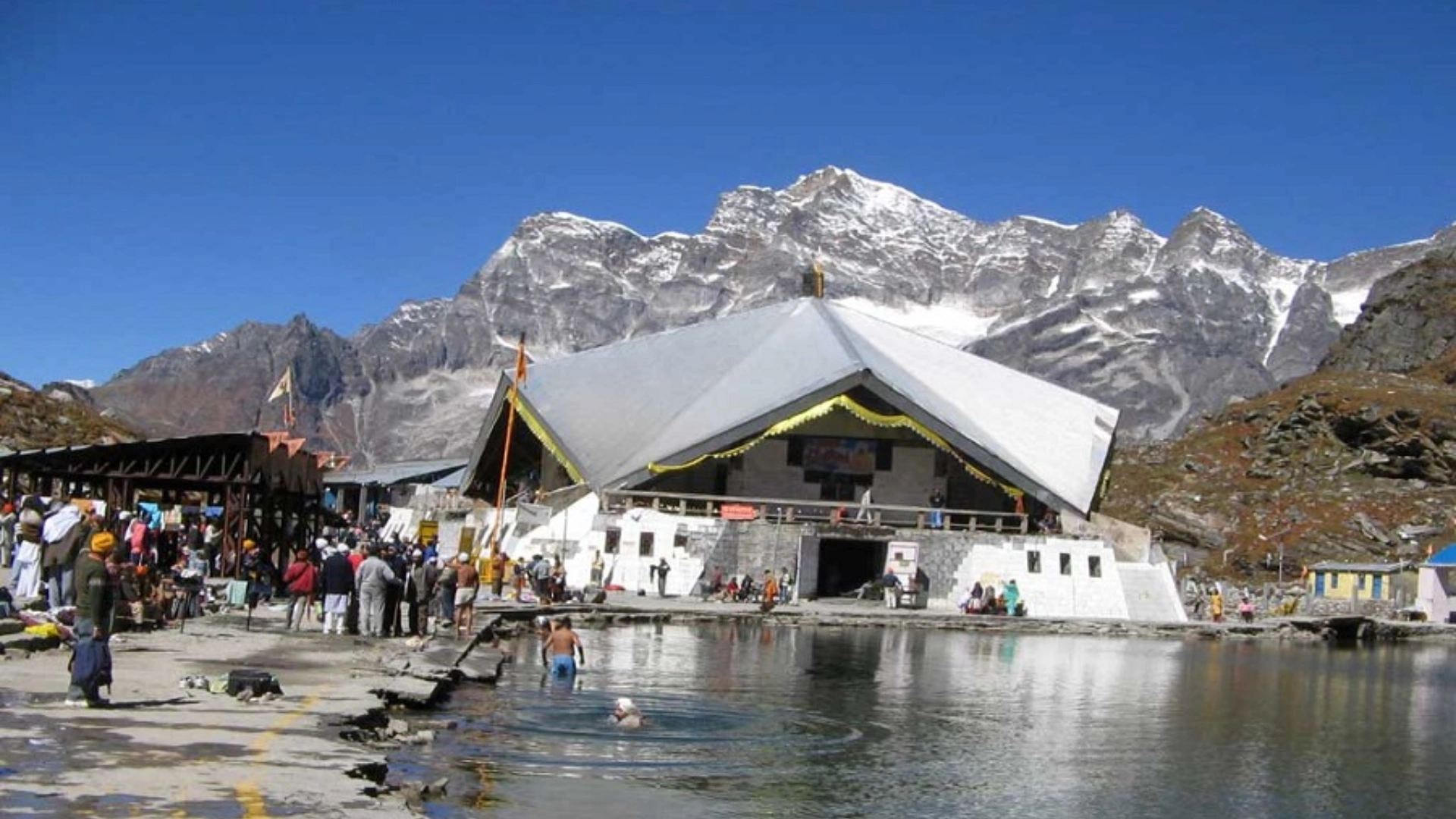
Distance from Badrinath: 65 kilometers to Govindghat base (then 19 km trek)
Though technically not “near” Badrinath by walking standards, Hemkund Sahib sits in the same spiritual ecosystem at a staggering 4,632 meters—one of the world’s highest gurudwaras.
The journey: From Govindghat, you trek through Ghangaria (overnight village stop) to reach Hemkund. The final 6 kilometers climb steeply, but the trail is paved and wide enough for sure footing.
Why combine with Badrinath: Many pilgrims visit both in one circuit—DivaShree Cabs offers 4-5 day packages that include Badrinath, Hemkund, and Valley of Flowers, with strategic rest days for acclimatization.
Lake experience: The glacial lake at Hemkund stays ice-crusted until June. Even in peak summer (July-August), water temperature hovers around 2-3°C. Yet devotees take ritual dips. The shock of that cold water against mountain air is an experience that transcends religious boundaries.
Valley of Flowers: UNESCO World Heritage Wonderland
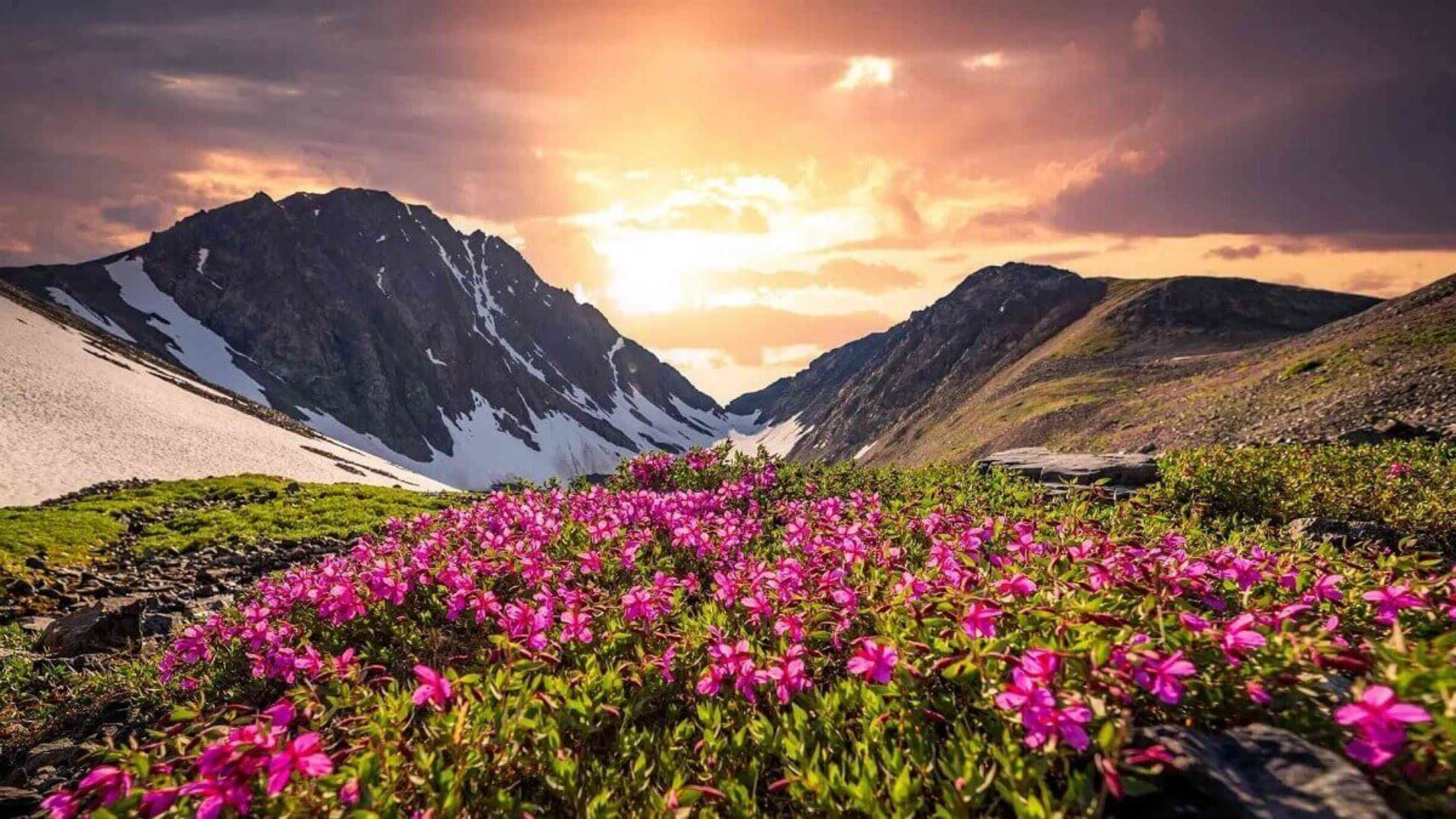
Distance from Badrinath: 65 kilometers to base + 14 km trek from Ghangaria
If Vasudhara Falls impresses, Valley of Flowers overwhelms. This 87.5 square kilometer national park explodes with over 500 flower species between July and September.
Bloom calendar:
- July: Blue poppies, primulas, potentillas dominate
- August: Peak bloom—literally every step lands near a different flower variety
- September: Asters and gentians take over as the season closes
Trek specifications:
- 14 kilometers from Ghangaria to valley entrance
- Moderate difficulty, well-marked trail
- Entry fee required (₹150 for Indians, ₹600 for foreigners)
- Overnight camping prohibited—day trips only
Conservation insight: The valley is so ecologically sensitive that even picking a single flower carries a ₹10,000 fine. Forest guards stationed throughout enforce this strictly. As one ranger told me: “These flowers survived ice ages. They’ll survive without human admirers, but not with them.”
Things to Do in Badrinath Beyond Temple Darshan
Tapt Kund: The Thermal Spring Experience
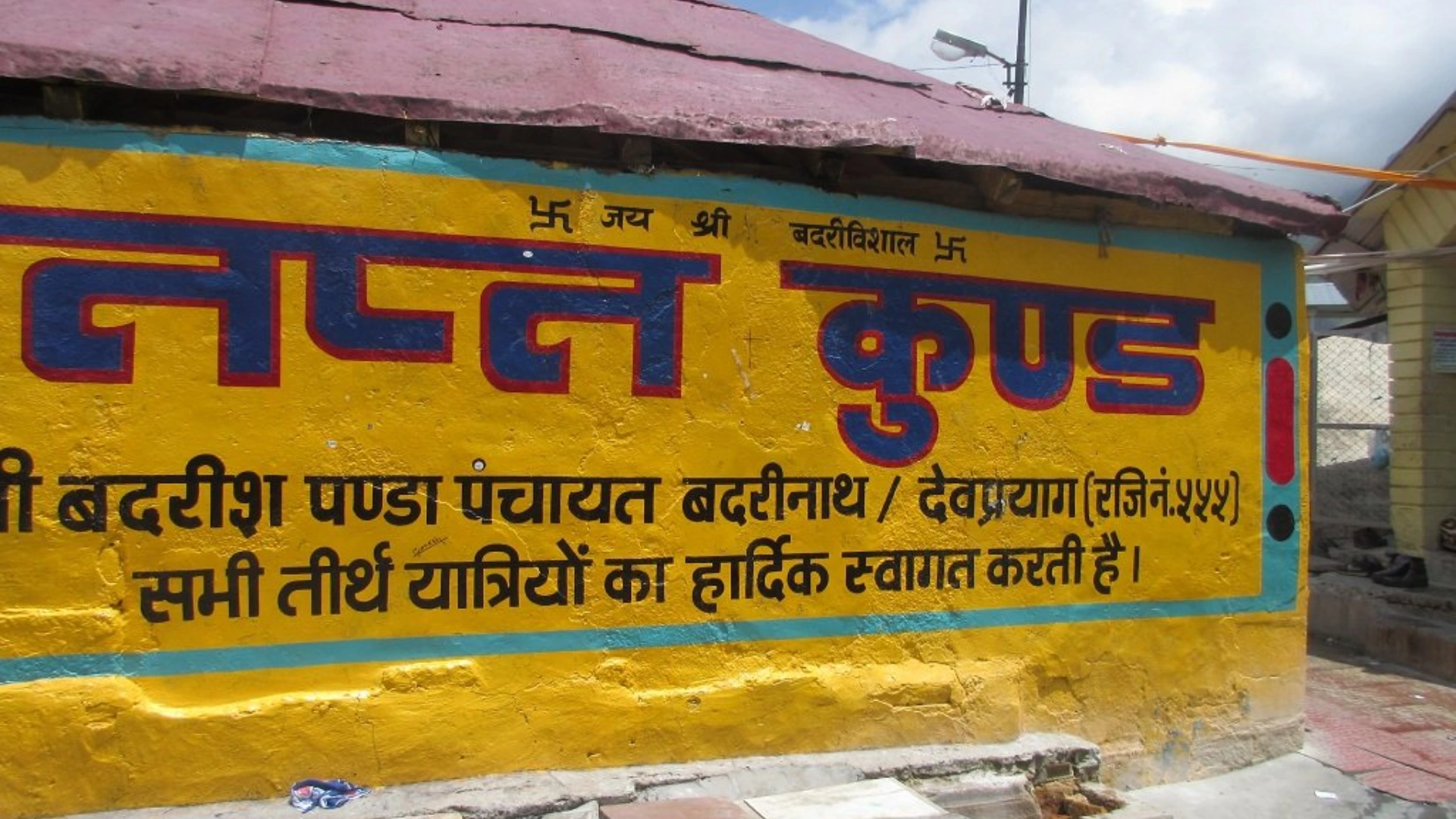
Before entering Badrinath temple, devotees traditionally bathe in Tapt Kund—a natural thermal spring maintaining 45°C year-round, even when surrounding air temperature drops below freezing.
The science behind the sacred: These springs bubble up from deep geological fractures where the earth’s crust is relatively thin. The high sulfur content gives the water its distinctive smell and supposed healing properties.
Bathing protocol:
- Separate bathing areas for men and women
- Peak hours (5-7 AM, 4-6 PM) see 30-40 minute wait times
- Water hot enough to turn skin red within minutes
- Locals recommend 5-7 minute maximum immersion
Medical perspective: The sudden temperature contrast (especially if you bathe early morning when air is near-freezing) does shock the cardiovascular system. Those with heart conditions should consult temple medical staff before bathing.
Brahma Kapal: The Riverside Ritual Site
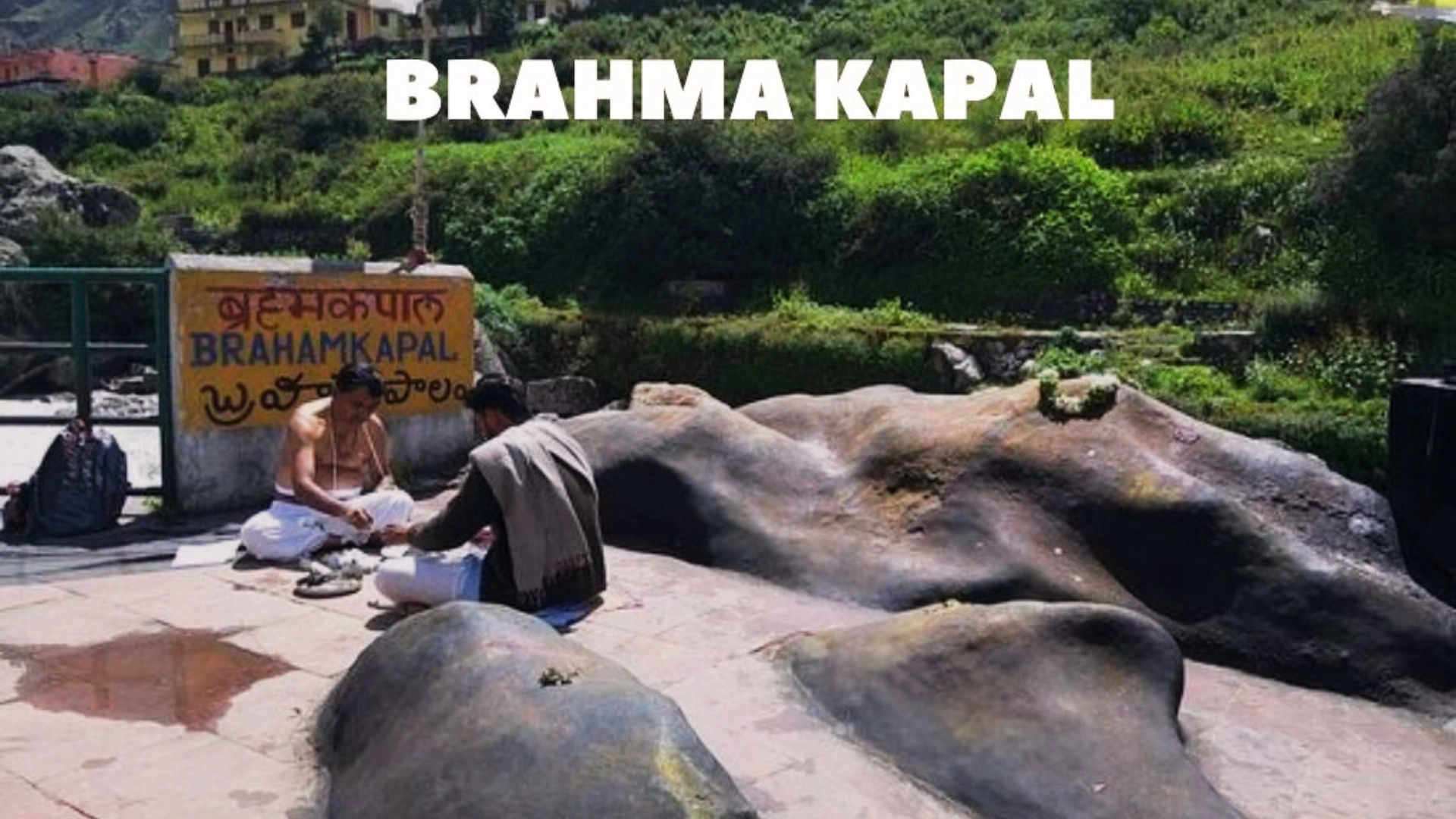
On the Alaknanda’s banks, just meters from the main temple, Brahma Kapal serves as the spot for pind-daan rituals—offerings for departed ancestors.
Cultural context: Gaya in Bihar is traditionally the primary pind-daan location, but Badrinath holds equal significance. The belief is that performing rites here grants liberation (moksha) to ancestors.
What visitors witness: Pandas (ritual priests) conduct elaborate ceremonies involving rice balls, black sesame seeds, and sacred grass. The Alaknanda’s roar provides a constant thunderous backdrop. It’s powerful theater, regardless of religious belief—a window into practices unchanged for centuries.
Also Read: Best Places to Visit in Uttarakhand
Badrinath Sightseeing: Making the Most of Your Visit
Best Time to Visit Badrinath and Nearby Areas
Peak season (May-June, September-October):
- Advantages: Clear skies, manageable temperatures (8-18°C daytime), all routes accessible
- Disadvantages: Crowds triple hotel prices, temple queues extend 2-3 hours, taxi availability tight
Monsoon (July-August):
- Advantages: Fewer crowds, lush green landscapes, waterfalls at maximum flow
- Disadvantages: Landslide risk increases 400%, roads close without warning, trek trails slippery and dangerous
Early season (Late April):
- Advantages: Temple just reopened, minimal crowds, pristine snow views
- Disadvantages: Higher altitude places still snow-bound, temperatures near freezing, limited accommodations open
DivaShree Cabs recommendation: Late May or early September offers the sweet spot—good weather probability above 80%, moderate crowds, full route access, and our entire fleet available for bookings.
3-Day Itinerary for Badrinath Region
Day 1: Badrinath Arrival & Temple
- Morning: Arrive Badrinath, check into hotel
- Afternoon: Tapt Kund bath, Badrinath temple darshan
- Evening: Brahma Kapal visit, evening aarti
- Night: Rest and acclimatize
Day 2: Mana Village Circuit
- Early morning: Depart for Mana Village (3 km)
- Morning: Explore Vyas Gufa, Bhim Pul, Ganesh Gufa
- Late morning: Begin Vasudhara Falls trek
- Afternoon: Return from trek, late lunch
- Evening: Charan Paduka climb (if energy permits) or rest
- Night: Early dinner and sleep
Day 3: Extended Exploration
- Full day: Either Auli excursion or Valley of Flowers trek (depending on season and fitness)
- Alternative: Half-day to Joshimath with return via Govindghat for Alaknanda views
This itinerary assumes altitude acclimatization. First-time high-altitude visitors may need an additional rest day.
Safety & Transparency: The DivaShree Cabs Difference
Himalayan travel isn’t just about reaching destinations—it’s about reaching them safely, comfortably, and without last-minute surprises that turn dream trips into stress marathons.
Our Fleet Standards for Mountain Conditions
Available vehicles:
- Toyota Innova Crysta: 6-7 seater, ideal for families, superior suspension for rough mountain roads
- Tempo Traveller: 12-17 seater, perfect for group pilgrimages, roof height accommodates tall passengers comfortably
- Sedan options: Swift Dzire, Etios for couples preferring compact comfort
Why vehicle choice matters here: The road from Rishikesh to Badrinath includes 450+ hairpin bends. At kilometer 180, you’ll cross Lambagad—the section where the road narrows to barely 3.5 meters with a sheer drop on one side. You want a driver who’s navigated this specific route 200+ times, not someone who learned mountain driving in Shimla last season.
Driver Certification & Local Knowledge
Our driver requirements:
- Minimum 8 years mountain driving experience
- Specific Badrinath route certification (government-issued hill area permit)
- Annual vehicle maintenance certification
- First aid and basic altitude sickness recognition training
What this means practically: When your driver points out Lambagad before you reach it, slows down proactively at blind curves where he knows oncoming traffic can’t see you, and can tell you which dhabas have the cleanest washrooms and best food—that’s the accumulated knowledge you’re paying for.
One example: Our driver Narendra has been doing the Badrinath route for 14 years. He knows that at kilometer 220, there’s a particular curve where afternoon sun creates a glare that blinds drivers for 3-4 seconds. He automatically slows there. That micro-knowledge has prevented countless accidents.
Transparent Pricing: No Hidden Surprises
What’s included in our quoted rates:
- Driver allowance (food and accommodation)
- Fuel for the entire route
- Basic vehicle maintenance
- GPS tracking and 24/7 monitoring
- Comprehensive insurance
What you pay separately (with our upfront estimate):
- Toll charges: Approximately ₹400-500 Rishikesh to Badrinath
- Parking fees: ₹50-100 per major stop (Badrinath temple parking is ₹100)
- Entry fees: Forest department charges for protected areas (₹150 per person for Valley of Flowers, etc.)
Sample fare structure:
|
Route |
Vehicle Type |
Distance (One Way) |
Estimated Fare |
Duration |
|
Rishikesh – Badrinath |
Innova Crysta |
315 km |
₹12,000-14,000 (round trip) |
9-10 hours |
|
Badrinath – Mana Village |
Any sedan |
3 km |
₹500 (round trip with waiting) |
2-3 hours total |
|
Badrinath – Auli via Joshimath |
Innova |
60 km |
₹4,500-5,000 (round trip) |
6-7 hours total |
|
Haridwar – Badrinath – Valley of Flowers (4 day) |
Tempo Traveller |
680 km total |
₹35,000-40,000 |
Multi-day package |
Rates accurate as of January 2026, subject to seasonal variation
24/7 Breakdown Support in Remote Areas
The reality of Himalayan roads: Even the best-maintained vehicles face challenges—a nail in a tire from construction debris, overheating on steep climbs, or electrical issues from moisture.
Our support system:
- Every vehicle carries spare tire, basic tools, and emergency repair equipment
- Drivers trained in roadside repairs for common issues
- 24/7 helpline with regional mechanics on contract in Joshimath, Govindghat, and Badrinath
- Backup vehicle deployment within 2-4 hours for major breakdowns
Real incident response: Last June, one of our Innovas developed a coolant leak 15 kilometers before Badrinath. Driver identified the issue, made temporary repairs, completed the client’s temple visit, then drove to our contracted mechanic in Badrinath for permanent fix—all while clients continued their scheduled activities. That’s the difference between a taxi service and a travel partner.
GPS Tracking & Family Peace of Mind
Every DivaShree vehicle has real-time GPS tracking accessible to:
- Our central operations team monitoring mountain weather and road conditions
- Your family members (we share tracking links upon request)
- Emergency services if needed
Why this matters: In 2023, a sudden cloudburst closed the road at Lambagad for 6 hours. Because we track all vehicles, we rerouted three of our cars to Joshimath before they hit the closure, while competitors’ drivers sat stranded. Our clients slept in comfortable Joshimath hotels; others spent the night in vehicles.
Practical Tips for Badrinath Tourist Places
Altitude Acclimatization Essentials
Badrinath sits at 3,300 meters. Many visitors arrive from sea level or low-altitude cities. The math is brutal: you’re breathing air with approximately 30% less oxygen than your lungs expect.
Symptoms to watch for:
- Headache (mild is normal, severe is warning)
- Nausea or loss of appetite
- Dizziness when standing quickly
- Unusual fatigue
- Difficulty sleeping
Prevention strategies:
- Spend first night in Joshimath (1,890 meters) or Govindghat (1,828 meters)
- Drink 4-5 liters of water daily (dehydration worsens altitude effects)
- Avoid alcohol for first 48 hours at altitude
- Eat light, high-carbohydrate meals
- Walk slowly—rushing increases altitude sickness risk
When to descend immediately: If you develop confusion, severe headache unrelieved by medication, persistent vomiting, or shortness of breath while resting, you need lower altitude within hours. Our drivers carry portable oxygen and can make emergency descents to Joshimath’s medical facilities.
Packing Checklist for Badrinath Region
Clothing (even in summer):
- Layered clothing (temperatures swing 20°C between morning and afternoon)
- Windproof jacket (mountain winds cut through regular jackets)
- Woolen cap and gloves (mornings and evenings drop near freezing)
- Comfortable walking shoes with ankle support
- Sun hat (UV radiation 40% higher at this altitude)
Medical essentials:
- Diamox (for altitude sickness prevention—consult doctor first)
- Basic pain relievers
- Antiseptic cream
- Band-aids and blister treatment
- Personal prescription medications (carry 25% extra)
- Lip balm and sunscreen (SPF 50+ minimum)
Other necessities:
- Power bank (electricity can be intermittent)
- Flashlight (streetlights are minimal)
- Dry snacks (restaurants close early, around 8-9 PM)
- Reusable water bottle
- Valid ID proof (check posts verify identity at multiple points)
Mobile Network & Connectivity
Network availability:
- BSNL: Most reliable, works in Badrinath town and Mana Village
- Airtel: Functions in Badrinath, spotty beyond
- Jio/Vi: Extremely limited, not recommended as primary connection
Internet reality: Even where mobile signals exist, data speeds rarely exceed 2G. Video calls are nearly impossible. WhatsApp messages send, but images and videos often fail.
Our solution: DivaShree vehicles have satellite phone backup for genuine emergencies. We’ve used them twice in three years—once for a medical evacuation, once when a client needed urgent business communication.
Why Choose DivaShree Cabs for Your Badrinath Journey
The Himalayas don’t forgive improvisation. When you’re navigating roads where one miscalculation means a 200-meter drop, where weather can trap you overnight, where altitude can hospitalize the unprepared—you need more than transportation. You need a partner who knows these mountains intimately.
DivaShree Cabs emerged from Uttarakhand soil. Our drivers grew up watching these peaks, learning which clouds signal afternoon storms, understanding that the road surface at kilometer 240 gets black ice even in May mornings. This isn’t knowledge from training manuals—it’s the accumulated wisdom of living in these mountains.
When you book with us, you’re accessing:
- Hill-certified drivers who navigate Badrinath routes 30-50 times annually
- Well-maintained, GPS-enabled vehicles inspected monthly for mountain-specific wear
- 24/7 support infrastructure with mechanical backup and medical coordination
- Transparent pricing with written breakdowns of all charges
- Local insider knowledge about which temple timings avoid crowds, which dhaba serves safe food, which viewpoints deliver sunrise magic
The Char Dham pilgrimage is a once-in-a-lifetime journey for many. The places to visit near Badrinath offer spiritual depth, natural grandeur, and challenges that test and transform. You deserve to experience it all without worrying about vehicle reliability, driver capability, or unexpected costs.
Let DivaShree Cabs handle the logistics while you focus on the sacred, the sublime, and the spectacular mountain experience waiting for you.
Frequently Asked Questions About Badrinath Tourism
Q1: How many days should I allocate for Badrinath and nearby places?
Minimum 3 days to experience Badrinath temple, Mana Village, and one major attraction (either Vasudhara Falls or Auli). Ideally 5-6 days if combining with Valley of Flowers or Hemkund Sahib. Our most popular package is 4 nights/5 days covering Badrinath, Mana, Auli, and Joshimath comprehensively.
Q2: Is Badrinath safe for senior citizens and children?
Yes, with proper planning. The temple itself has wheelchair accessibility. However, high altitude affects elderly and very young children more severely. We recommend:
- Extra acclimatization day for seniors above 65
- Avoid children under 5 years (pediatricians generally advise against high altitude for very young children)
- Carry portable oxygen for seniors with respiratory conditions
- Choose ground-floor hotel rooms to avoid stairs
Q3: What are the Badrinath temple opening and closing dates?
Temple typically opens in late April/early May (exact date based on Hindu calendar) and closes in November (again, date varies). In 2026, expected opening is around April 28-30 and closing around November 15-20. Temple remains closed during winter when snowfall makes the region inaccessible.
Q4: Can I do Badrinath as a day trip from Haridwar or Rishikesh?
Technically possible but intensely draining. Rishkesh to Badrinath is 315 km requiring 9-10 hours one way in good conditions. That’s 18-20 hours of driving plus temple time. We strongly discourage this—you’ll spend 85% of your trip in a vehicle and arrive exhausted. Minimum recommended is overnight at Badrinath.
Q5: What is the road condition to Badrinath?
The 315 km route from Rishikesh is entirely paved but varies in quality:
- Rishikesh to Devprayag (70 km): Excellent four-lane highway
- Devprayag to Joshimath (180 km): Two-lane mountain road, generally good but narrow sections with frequent vehicle encounters
- Joshimath to Badrinath (45 km): Well-maintained but very steep with numerous hairpin bends
Landslides during monsoon can close sections temporarily. Border Roads Organization (BRO) maintains the route and usually clears blockages within 4-8 hours.
Q6: Are there ATMs in Badrinath?
Yes, State Bank of India and Punjab National Bank have ATMs in Badrinath town. However, they frequently run out of cash during peak season or malfunction due to cold. Withdraw adequate cash in Joshimath (which has 5-6 reliable ATMs) before final ascent to Badrinath.
Q7: What food is available in Badrinath?
Exclusively vegetarian due to temple regulations. Available cuisines:
- Garhwali traditional (aloo ke gutke, mandua ki roti)
- North Indian (roti, dal, rice, paneer dishes)
- South Indian (dosa, idli, upma)
- Chinese (limited hakka noodles and fried rice)
Food quality varies. We guide clients to specific restaurants where food safety standards are reliable. Water quality is excellent (Himalayan glacier-fed), but drink bottled or boiled water to be safe.
Q8: Can I hire local guides for treks like Vasudhara Falls?
Yes, local guides available at Mana Village charging ₹800-1,200 for Vasudhara Falls trek. For Valley of Flowers and Hemkund, guides cost ₹1,500-2,000 per day. While not mandatory for Vasudhara, guides help pace the trek properly, identify safe river crossings, and provide weather interpretation.
Q9: What is the cancellation policy for taxi bookings?
DivaShree Cabs policy:
- Cancellation 15+ days before travel: Full refund minus 10% processing fee
- Cancellation 7-14 days before: 50% refund
- Cancellation under 7 days: 25% refund
- Cancellation within 48 hours: No refund
However, for weather-related road closures or government-imposed travel restrictions, we provide full refund or reschedule without penalty. We’ve implemented this 47 times over the past three years.
Q10: Is helicopter service available to Badrinath?
Yes, helicopter services operate from Dehradun and Phata (near Kedarnath) to Badrinath during season (May-October). Flight time approximately 45 minutes, cost around ₹5,000-7,000 per person one way. However, this eliminates the journey experience—the gradual altitude gain, the changing landscapes, the cultural stops. Unless physically unable to handle road travel, we recommend experiencing the road journey at least once.
Leave A Comment