
Uttarakhand is not just a destination — it is a feeling that stays with you long after you have returned home. Tucked between the peaks of the Himalayas and the plains of northern India, this state holds within it ancient temples, roaring rivers, snow-dusted valleys, and forests so quiet you can hear your own heartbeat. Whether you are a pilgrim seeking the divine, an adventurer chasing altitude, or a family looking for clean air and open skies — the best tourist places in Uttarakhand will give you more than you came for.
We are DivyaShree Cabs, based right here in Ukhimath — just 41 km from Kedarnath. We have been driving these roads since 2012. Every destination on this page is a place our drivers know personally, not something pulled from a travel blog. This guide is written from the ground up, for people who want the real Uttarakhand.
Ask anyone who has visited, and they will struggle to explain it in one sentence. Uttarakhand is the kind of place that means something different to each person who walks through it. For millions of Hindus, it is the land of the gods — Dev Bhoomi — home to the Char Dham, the source of the Ganga, and shrines that have drawn pilgrims for over a thousand years. For the trekker, it offers trails that range from beginner-friendly meadows to technical high-altitude expeditions. For the family traveller, it has hill stations, waterfalls, and pine-scented air that no air conditioner can replicate.
The geography alone makes it extraordinary. In a single day, you can drive from the hot flatlands of Haridwar through the green gorges of the Alaknanda valley up to snow-capped passes above 3,600 metres. The rivers — Ganga, Yamuna, Mandakini, Bhagirathi, Alaknanda — are not just rivers here. They are alive. They carry centuries of culture in their current.
Planning your trip to Uttarakhand? Talk to a driver who actually lives here — not a call centre agent reading from a script.
The Himalayan Backdrop
Home to peaks like Nanda Devi (7,817m), Kedarnath Peak, and Trishul — you do not need to trek to witness them. Even the road from Rishikesh to Badrinath passes through views that stop conversations mid-sentence.
Dev Bhoomi — Land of the Gods
Over 1,000 temples, shrines, and sacred sites. The Char Dham alone — Yamunotri, Gangotri, Kedarnath, Badrinath — draws over 5 lakh pilgrims every season. This is the spiritual backbone of Hindu civilization.
Biodiversity Unlike Anywhere Else
From the Valley of Flowers (a UNESCO World Heritage Site) to the tiger reserves of Corbett, Uttarakhand shelters species most of India will never see. Oak, rhododendron, cedar, alpine meadows — each altitude has its own world.
Adventure for Every Level
White-water rafting in Rishikesh, skiing at Auli, paragliding above Mukteshwar, trekking the Panch Kedar circuit — Uttarakhand invented the concept of adventure tourism in India.
Four Seasons, Four Different States
Come in May for summer pilgrimages. July–August for monsoon greenery. October–November for crisp Himalayan autumn. December–March for snowfall in Chopta, Auli, and the higher valleys.
Well-Connected Roads
Most major destinations are reachable by cab from Haridwar, Rishikesh, or Dehradun. The new all-weather Char Dham highway has transformed access significantly. A good driver matters more than ever on mountain roads.
These are not generic top-10 lists recycled from travel aggregators. These are the places our passengers ask us to take them — the destinations that define a real Uttarakhand trip.
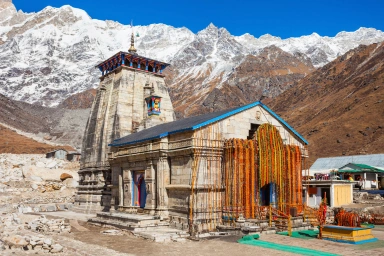
Kedarnath Temple
Pilgrimage · 3,583m ↗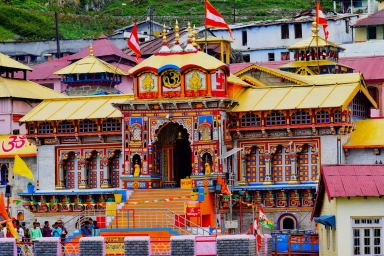
Badrinath Dham
Char Dham · 3,300m ↗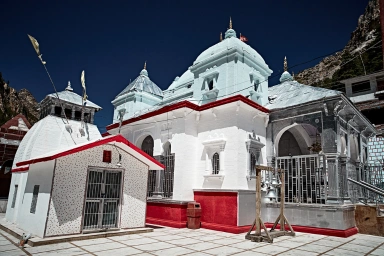
Gangotri
Char Dham · Ganga Origin ↗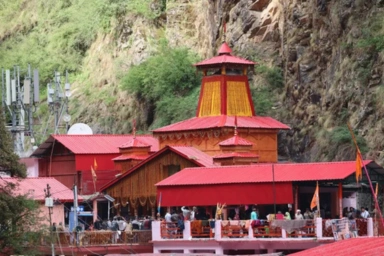
Yamunotri
Char Dham · Yamuna Origin ↗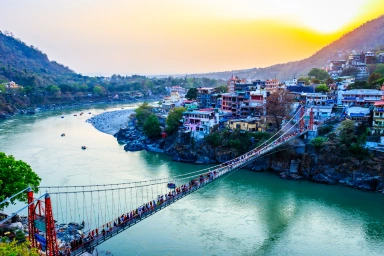
Rishikesh
Yoga · Adventure · Ganga ↗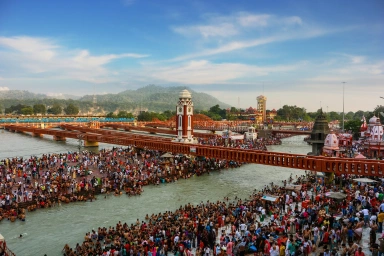
Haridwar
Gateway to Char Dham ↗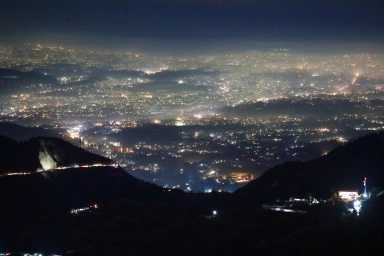
Mussoorie
Hill Station · Family ↗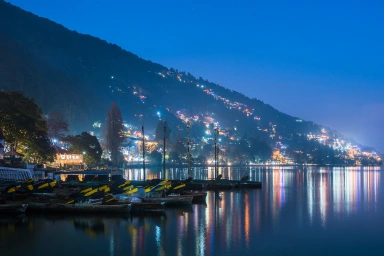
Nainital
Lake Town · Kumaon ↗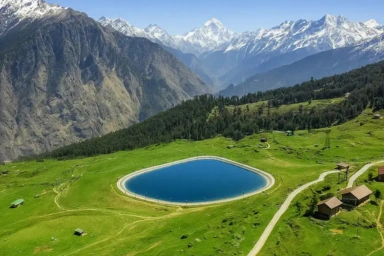
Auli
Skiing · Snow · 2,519m ↗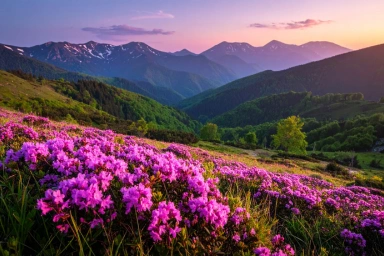
Valley of Flowers
UNESCO Site · Trek ↗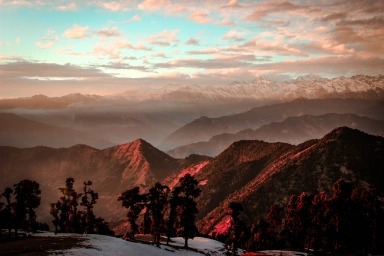
Chopta
Mini Switzerland · Tungnath ↗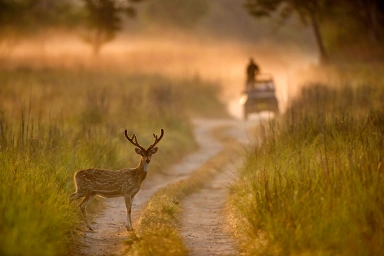
Jim Corbett National Park
Wildlife · Tiger Reserve ↗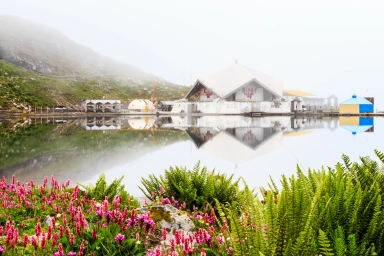
Hemkund Sahib
Sikh Shrine · 4,329m ↗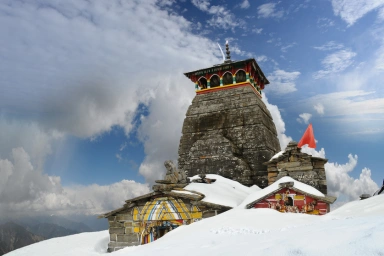
Tungnath Temple
Panch Kedar · 3,680m ↗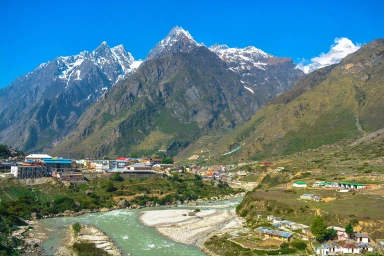
Mana Village
Last Indian Village · Tibet Border ↗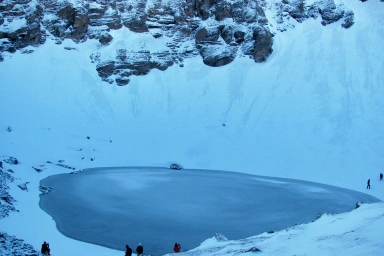
Roopkund Lake
Mystery Lake · High Trek ↗
Gaurikund
Base Camp of · Kedarnath ↗Need a cab to any of these places?
Fixed rates. Local drivers. No hidden charges. We know every road on this list personally.
Kedarnath is not just the most visited of the Char Dham — it is in a category of its own. Sitting at 3,583 metres in the Garhwal Himalayas, the stone temple dedicated to Lord Shiva has stood for over a thousand years through floods, storms, and the 2013 disaster that tested this valley beyond measure. The temple survived. That alone tells you something. The trek from Gaurikund is 16 km of ascent — through waterfalls, narrow paths, and at certain hours, a silence that makes conversation feel unnecessary. We have driven pilgrims from Haridwar to Gaurikund more times than we can count, and no two trips have felt the same.
The best months to visit are May–June and September–October, just before the temple closes for winter. Come early morning if you want darshan without a two-hour queue — our drivers know exactly what time to leave Ukhimath or Sonprayag so you reach the top before the crowds.
Badrinath is the highest of the four Char Dham temples and the last major stop before the Tibetan border. The Badrinath temple — dedicated to Lord Vishnu — sits at 3,300 metres in the Chamoli district, flanked by the Nar and Narayan mountain ranges with Neelkanth peak visible from the courtyard on a clear morning. The hot springs at Tapt Kund, the Mana village just 3 km away (the last Indian village before Tibet), and the roar of the Alaknanda River just below the temple — this is a place where geography and spirituality refuse to be separated. Most pilgrims combine Kedarnath and Badrinath in a single trip. We cover both.
Almost every Uttarakhand trip starts in one of these two towns. Haridwar, sitting at the point where the Ganga finally leaves the mountains and enters the plains, is the traditional gateway. The Har Ki Pauri ghat in the evening — during the Ganga Aarti — is one of the most moving public ceremonies in India. Fires, priests, thousands of lamps floating on the river. Even if you have seen it before, it still makes you stop.
Rishikesh, 24 km upriver, has a different energy. It is younger, louder at the ghats, and the centre of adventure tourism — rafting, bungee, camping, yoga. It is also the last town with reliable ATMs, pharmacies, and gear shops before you head into the upper valleys. We pick up from both cities daily.
Flying into Jolly Grant Airport (Dehradun) or arriving at Haridwar / Rishikesh? We will have a cab ready for you.
Auli sits at 2,519 metres in the Chamoli district and has India's longest cable car — 4 km — offering views of Nanda Devi and other peaks. In winter it is a ski resort; in summer, a meadow covered in flowers with Trishul framing the horizon. It is one of those places that quietly rewires what you thought a hill station should look like.
Chopta — often called the Mini Switzerland of India — is a high-altitude meadow at 2,680m on the route to Tungnath. In December and January the entire landscape turns white, and even then, the road is passable with the right vehicle and an experienced driver. The trek to Tungnath (3,680m) and Chandrashila (4,000m) from Chopta is one of the most accessible and most spectacular one-day treks in the entire Himalayan range.
Valley of Flowers is a UNESCO World Heritage Site that blooms between July and September. Hundreds of species of alpine wildflowers — many endemic to this valley — cover the floor in layers of colour. It is not the easiest place to reach, but no one who has been there has regretted the effort. The drive from Rishikesh to Joshimath, and from there to Govindghat, is itself a full day's journey through some of the most dramatic river gorges in the Himalayas.
These are the hill stations most Indian families think of first, and for good reason. Nainital's emerald lake — Naini Tal — sitting at 2,084 metres in the Kumaon hills, draws visitors year-round. The mall road, the ropeway to Snow View Point, and the boat rides on the lake are as much a part of the experience as the landscape. Mussoorie, on the other hand, sits above Dehradun and is famous for its mist-covered mornings, Kempty Falls, and the Lal Tibba viewpoint where — on a perfectly clear day — you can spot Badrinath and Kedarnath peaks in the distance.
Both towns work well as bases for families with children or older pilgrims looking for a gentler Uttarakhand experience alongside their temple visits. We cover both destinations from Haridwar, Rishikesh, and Dehradun at fixed rates with no surge pricing.
Uttarakhand does not have a single "best season" — it depends entirely on what you are going for. Here is how we think about it, based on what our passengers tell us on the way back.
🌸 Spring
March – May
Best for Char Dham Yatra (temples open in April–May), rhododendron forests in full bloom, clear mountain views before summer haze. Kedarnath opens in May. Most popular season.
🌧️ Monsoon
July – September
Valley of Flowers is at its best. Lush green everywhere. Some roads prone to landslides — your driver's knowledge of alternate routes becomes essential. Kedarnath and Badrinath remain open until October.
🍂 Autumn
October – November
Our personal favourite for clear skies and empty trails. The best views of the Himalayan range. Crisp air, golden forests, and the last window before the Char Dham temples close for winter (October–November).
❄️ Winter
December – February
Auli for skiing. Chopta for snowfall. Mussoorie and Nainital for snow without altitude. Most Char Dham temples are closed, but lower hill stations and wildlife parks (Corbett) are at their best.
From Haridwar to Kedarnath. Rishikesh to Badrinath. Dehradun to Chopta at midnight if that is what your schedule needs. DivyaShree Cabs runs on fixed fares with no surge pricing — ever. All tolls and driver allowance included. Call or WhatsApp to get an exact quote for your dates.
No automated responses. No bots. You talk directly to us — the people who drive these roads.