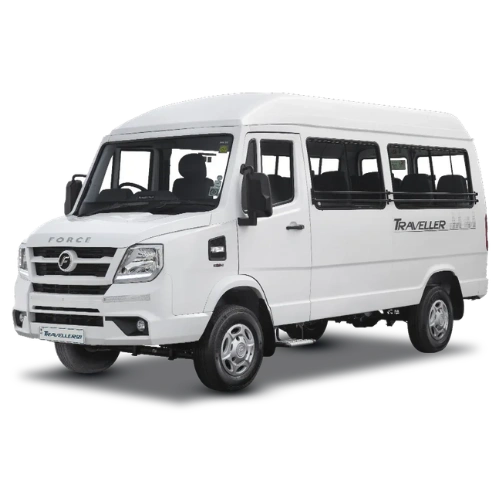
One-way drops, round trips and multi-day Badrinath packages from Haridwar. Tell us your plan and we confirm your cab on WhatsApp.

Planning the road to Lord Vishnu’s abode? Book a Haridwar to Badrinath taxi with DivyaShree Cabs and travel the full 320 km mountain route with a driver who knows every bend, checkpoint and overnight halt. We run one-way drops, round trips and multi-day Badrinath and Kedarnath packages from Haridwar, Rishikesh and Dehradun in sedans, Ertiga, Innova Crysta and Tempo Travellers, with the fare confirmed before you leave. For local rides, airport transfers and other routes, see our main Haridwar taxi service page.
Call 9368028472 or message us on WhatsApp with your dates and group size, and we will confirm your cab.
The Haridwar to Badrinath distance is about 320 km by road (quoted figures range from roughly 310 to 330 km), and the drive takes 10–12 hours. The route runs through Rishikesh, Devprayag, Srinagar, Rudraprayag, Karnaprayag, Chamoli and Joshimath, and the road goes all the way to the temple. Most travellers split it over two days with an overnight halt at Joshimath or Pipalkoti. A private taxi is the most comfortable way to do it, and 9368028472 is the number to call for a confirmed fare.
Badrinath is one of the four Char Dham shrines, set at about 3,133 metres on the banks of the Alaknanda river in the Chamoli district of Uttarakhand. It is dedicated to Lord Vishnu, and unlike Kedarnath, the road reaches the temple itself, which makes it the most accessible of the Himalayan dhams for families and older pilgrims.
Most journeys begin in Haridwar, where the railway station and the Ganga ghats make a natural starting point. From there the route follows the Ganga and then the Alaknanda river upstream, passing the five sacred confluences known as the Panch Prayag. It is a long day on the road, but it is also one of the most scenic drives in the state, which is why a Haridwar to Badrinath cab booking is one of our most requested outstation routes.
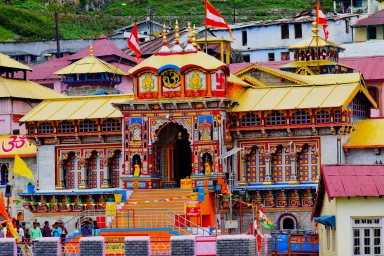
This page walks you through everything you need to plan the trip: the distance and route, how long each stage takes, how a taxi compares with a bus or your own car, how fares are worked out, sample multi-day packages, the best time to travel, and the places worth seeing once you arrive. If you are combining Badrinath with Kedarnath, there is a dedicated section on that as well.
A few honest points up front. This is a mountain road, so the time on the clock matters more than the kilometres. Weather, landslides and checkpoints can change your day, which is why we recommend an early start and an overnight halt rather than trying to do everything in one push. And because the temple is open only for part of the year, you need to plan your dates around the opening and closing schedule.
If you are searching for the Haridwar se Badrinath distance in kilometres, here is the number, with the nearby legs travellers usually ask about.
| Route | Approx. Distance | Approx. Time |
|---|---|---|
| Haridwar to Badrinath (by road) | ~320 km (310–330) | 10–12 hrs |
| Badrinath to Haridwar (return) | ~320 km | 10–12 hrs |
| Haridwar to Rishikesh | ~24 km | 45–60 min |
| Haridwar to Rudraprayag | ~141 km | 4.5–5.5 hrs |
| Haridwar to Joshimath | ~270 km | 8–9 hrs |
| Joshimath to Badrinath | ~42 km | 1–2 hrs |
| Rishikesh to Badrinath | ~295–300 km | 9–11 hrs |
| Delhi to Badrinath | ~525–540 km | 13–15 hrs |
| Kedarnath to Badrinath (by road) | ~220 km | 8–10 hrs |
| Badrinath to Mana Village | ~3–4 km | 10 min by road |
Distances are approximate and vary by source and by the exact route and stops used. Haridwar to Badrinath is quoted anywhere from about 309 km to 330 km, and the time depends on traffic, weather, road works and checkpoints, especially in peak season and the monsoon. We confirm the figure for your pickup point when you book.
If you are trying to picture the Haridwar to Badrinath map, think of one long road that follows rivers upstream almost the whole way. From Haridwar you head to Rishikesh, then climb along the Ganga to Devprayag, where the Alaknanda and Bhagirathi meet. From there the road follows the Alaknanda river, passing the Panch Prayag confluences, until it reaches Joshimath and finally Badrinath.
Haridwar → Rishikesh → Devprayag → Srinagar → Rudraprayag → Karnaprayag → Nandaprayag → Chamoli → Pipalkoti → Joshimath → Badrinath
The road is national highway all the way, with BRO-maintained mountain sections, fuel pumps in the larger towns and dhabas at regular intervals. Between Joshimath and Badrinath the road narrows and passes through well-known landslide-prone zones, which is why movement on that stretch is sometimes regulated. Your driver will check the current situation before you set out each morning.
There is one main road to Badrinath, and it follows the Ganga and Alaknanda rivers for almost the entire journey.
A short, flat run along the Ganga. Traffic around the two towns can be heavy at peak hours, so an early start helps.
The hills begin in earnest. The road follows the Ganga upstream to Devprayag, where the Alaknanda and Bhagirathi meet and the Ganga is born.
A winding stretch beside the Alaknanda to Srinagar, one of the larger towns on the route, with good food stops for a proper lunch.
The road reaches Rudraprayag, where the Mandakini meets the Alaknanda. Here the routes to Kedarnath and Badrinath part ways.
Continuing up the Alaknanda valley to Karnaprayag, the confluence with the Pindar river, a quieter town with simple stays.
A shorter hop to Nandaprayag, where the Nandakini river joins the Alaknanda.
Chamoli is the district headquarters and a useful fuel and food stop before the higher sections begin.
The road climbs through Pipalkoti and Helang to Joshimath, the winter seat of Badrinath and the usual overnight halt.
The final stretch passes Vishnuprayag and Pandukeshwar before reaching the temple. Allow 1–2 hours and check timing rules before you start.
The segment distances add up to roughly 317–320 km, which matches the commonly quoted total. Individual stages vary slightly between sources and with the exact roads your driver takes.
On paper the drive is 10 to 12 hours, but the real figure depends on how you plan the day. A very early start from Haridwar, around 4 or 5 AM, can get you to Joshimath by early afternoon and to Badrinath by evening if traffic and checkpoints are kind. Most families prefer a gentler pace: drive to Joshimath or Pipalkoti on the first day, rest overnight, and reach Badrinath the next morning when you are fresh and the weather is usually clearer.
The reasons for this are practical. The road after Rudraprayag is narrow in places, there are slow-moving trucks and buses, and stretches near Chamoli and beyond are prone to slides in the monsoon. Driving after dark on mountain roads is also best avoided. A driver who knows the route will decide where to stop for lunch, where to fuel up, and when to push on or wait, which is a large part of why people book a taxi instead of driving themselves.
If you are looking for a cab from Haridwar to Badrinath, the simplest way is to tell us three things: when you want to leave, how many people are travelling, and whether you plan to return the same way. With those answers we can suggest the right vehicle, the number of days to budget for, and the best overnight halt, and give you a confirmed fare before you pay anything.
There is no train or direct flight to Badrinath. Every journey ends on the road, so the real choice is how you cover the last 320 km.
Door-to-door from your hotel or station, flexible stops, space for luggage, and a driver who handles the mountain road. Best for families, elders and groups.
Buses run on the corridor, often 12–14 hours, with fixed timings and changes at towns such as Joshimath. Cheaper but slower and more tiring.
Badrinath has no railway station or airport. Use Haridwar or Rishikesh station, or Jolly Grant Airport, then continue by taxi.
Most pilgrims reach Haridwar by train from Delhi and other major cities, since it is one of the best-connected stations in the region. Rishikesh also has a railway station, which is useful if you want to start closer to the hills. Both are the nearest railheads to Badrinath, but neither goes any further, so the rest of the journey is by road.
If you are flying in, Jolly Grant Airport near Dehradun is the nearest airport, roughly 35–45 km from Haridwar. From there you can go directly towards the hills without entering Haridwar at all. Share your train number or flight details when you book, and we will time the pickup around your arrival so you are not waiting at the station or airport.
Pick the vehicle that fits your group and luggage. Every cab below is available for one-way drops, round trips and multi-day Badrinath and Char Dham packages. Fares vary by season, vehicle and trip length, so call for a confirmed quote before booking.



| Vehicle | Seats | Best For | Good to Know |
|---|---|---|---|
| Sedan | Up to 4 | Couples, small families | Limited boot space; fine for light luggage |
| Ertiga | Up to 6 | Families with luggage | More legroom for the 10–12 hour drive |
| Innova / Crysta | Up to 7 | Elders, long hill routes, Char Dham | Comfortable and stable on mountain roads |
| Tempo Traveller | 9–17 | Large groups, pilgrim parties | Keeps everyone in one vehicle |
Seating is the maximum, including the front passenger seat. Count luggage as well as people. Cold-weather clothing takes more space than most travellers expect.
Here is how to think about the cost of your Badrinath taxi, and the questions worth asking before you pay.
The Haridwar to Badrinath taxi fare is not a single fixed number. It depends on the vehicle, whether you want a one-way drop or a round trip, how many days the cab stays with you, and the season. The Char Dham months from May to June and the autumn weeks around the closing dates push demand up, while quieter weeks are easier on the budget. That is why we confirm a fare for your exact dates rather than quoting a headline number that is only true some of the time.
If you are comparing operators, check that you are comparing like for like. A one-way drop, a round trip with waiting days and a full multi-day package with overnight halts are very different bookings, and the lowest-looking price often leaves out toll, parking, driver allowance or night-halt charges.
| Booking Type | Sedan | Ertiga / Innova | Tempo Traveller |
|---|---|---|---|
| One-way drop, Haridwar to Badrinath | Call for quote | Call for quote | Call for quote |
| Round trip, Haridwar to Badrinath and back | Call for quote | Call for quote | Call for quote |
| Badrinath to Haridwar drop | Call for quote | Call for quote | Call for quote |
| Multi-day Badrinath package | Call for quote | Call for quote | Call for quote |
Ask whether toll tax and parking are included or charged separately.
For multi-day trips, confirm whether the driver’s food and stay are included.
For round trips, check how waiting time at Badrinath or Joshimath is counted.
Ask whether trips to Mana Village or Auli are included or priced separately.
Confirm how Char Dham vehicle permits and entry are handled.
Know the rescheduling and cancellation rules before paying any advance.
Looking for a Haridwar to Badrinath taxi package? Most travellers choose one of these sample plans, and we adjust the days, halts and vehicle to suit your group.
Day 1: Haridwar to Joshimath (~270 km). Day 2: Joshimath to Badrinath, darshan, Mana Village, return to Joshimath. Day 3: drive back to Haridwar. The classic short plan.
Adds a relaxed day around Joshimath and Auli before heading back, useful if you want time to adjust to the altitude and see more than the temple.
Haridwar to Sonprayag for Kedarnath, then across to Joshimath and Badrinath, and back. Built around a Kedarnath trek day and a buffer for weather.
Extend the trip from Joshimath to Govindghat for Hemkund Sahib or the Valley of Flowers in season. We build the route around your dates.
These are sample plans, not fixed packages. Day counts, overnight halts and inclusions are customised to your group, so call 9368028472 and we will price the exact plan you want.
Day 1: Haridwar to Joshimath. Leave by 5 AM, have breakfast near Rishikesh or Devprayag, lunch at Srinagar or Rudraprayag, and reach Joshimath or Pipalkoti by late afternoon. Spend the evening resting, and keep warm clothes handy, since Joshimath is noticeably cooler than the plains.
Day 2: Joshimath to Badrinath and back. Start early for the 42 km drive, check current road timing, and aim to reach the temple while queues are shorter. After darshan, visit Tapt Kund and Brahma Kapal, then Mana Village if time allows. Drive back to Joshimath or Pipalkoti for the night, since the altitude and cold make an overnight at Badrinath harder for some travellers.
Day 3: Return to Haridwar. The drive back is the same 270 km or so from Joshimath, around 8 to 9 hours. Leave early so that you reach Haridwar by evening, in time for the Ganga Aarti if you wish. Our Haridwar taxi service page has more on local rides if you plan to stay another night.
Many pilgrims want to cover Kedarnath and Badrinath on the same trip, and the Haridwar to Kedarnath taxi leg comes first. The road from Haridwar to Sonprayag, the vehicle checkpoint for Kedarnath, is about 227 km and takes roughly 6 hours 45 minutes in normal conditions. From Sonprayag you continue by shuttle to Gaurikund and then trek about 16 to 18 km to the temple, or use a pony, palki or helicopter.
The Haridwar to Kedarnath taxi fare works on the same principles as the Badrinath fare: vehicle, one-way or round trip, number of days, and season. For a combined trip, a single multi-day booking is usually simpler than two separate ones, because the driver waits at Sonprayag while you go up, and then takes you across the Rudraprayag–Joshimath road to Badrinath.
The Kedarnath to Badrinath road leg is roughly 220 km, usually 8 to 10 hours, and it is a long day. If you are starting the Badrinath leg from Sonprayag, see our Sonprayag to Badrinath taxi page for the details of that stretch. Tell us which dham you want first, and we will plan the overnight halts so that the driving is spread out sensibly.
Planning the way back is as important as the way up. The Badrinath to Haridwar taxi fare depends on the same factors as the outbound trip, and a one-way drop from Badrinath is common for travellers who arrive by another route, such as from Kedarnath or Gangotri. If you are searching for Badrinath se Haridwar transport, a pre-booked cab is the most reliable option, since taxi availability at Badrinath can be limited at the end of the day.
The drive back is again about 320 km and 10 to 12 hours. Most travellers leave Badrinath early in the morning after darshan, break at Joshimath or Chamoli, and reach Haridwar late in the evening. If you have a train from Haridwar the same night, leave a generous buffer or consider staying one more night in Haridwar or Rishikesh.
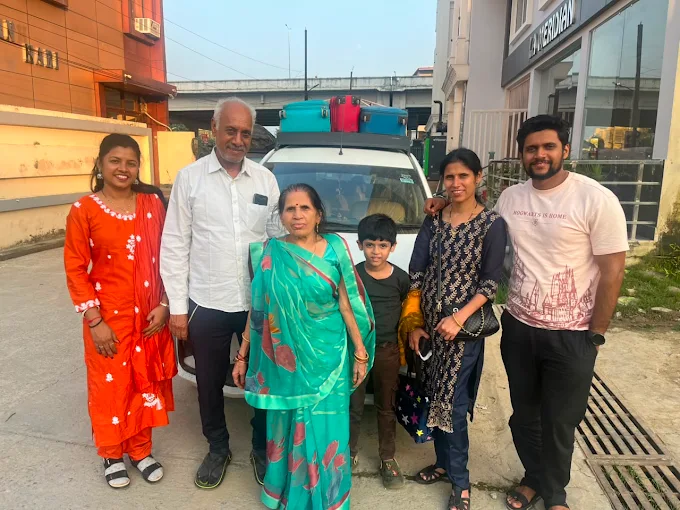
DivyaShree Cabs is built around the routes travellers in Uttarakhand actually take, from city transfers to long Char Dham journeys. The aim is simple: a clean vehicle, a driver who knows the road, and a price you agree on before the trip starts.
These are the points that matter most on a route as long and demanding as Badrinath. For the other routes we run from the city, see our Haridwar taxi service page.
Experienced drivers who know the Rishikesh–Rudraprayag–Joshimath corridor and its checkpoints.
Reach us by call or WhatsApp at 9368028472 for bookings, changes and help on the road.
Sedans, Ertiga, Innova/Crysta and Tempo Travellers kept ready for long mountain journeys.
The fare is confirmed before you travel, with inclusions explained clearly.
Vehicles are tracked, which helps with planning and gives families peace of mind.
One booking for Badrinath, Kedarnath or the wider circuit, with halts planned in advance.
Most visitors combine darshan with a few short stops around the temple, and a cab makes them much easier to cover in the available daylight.
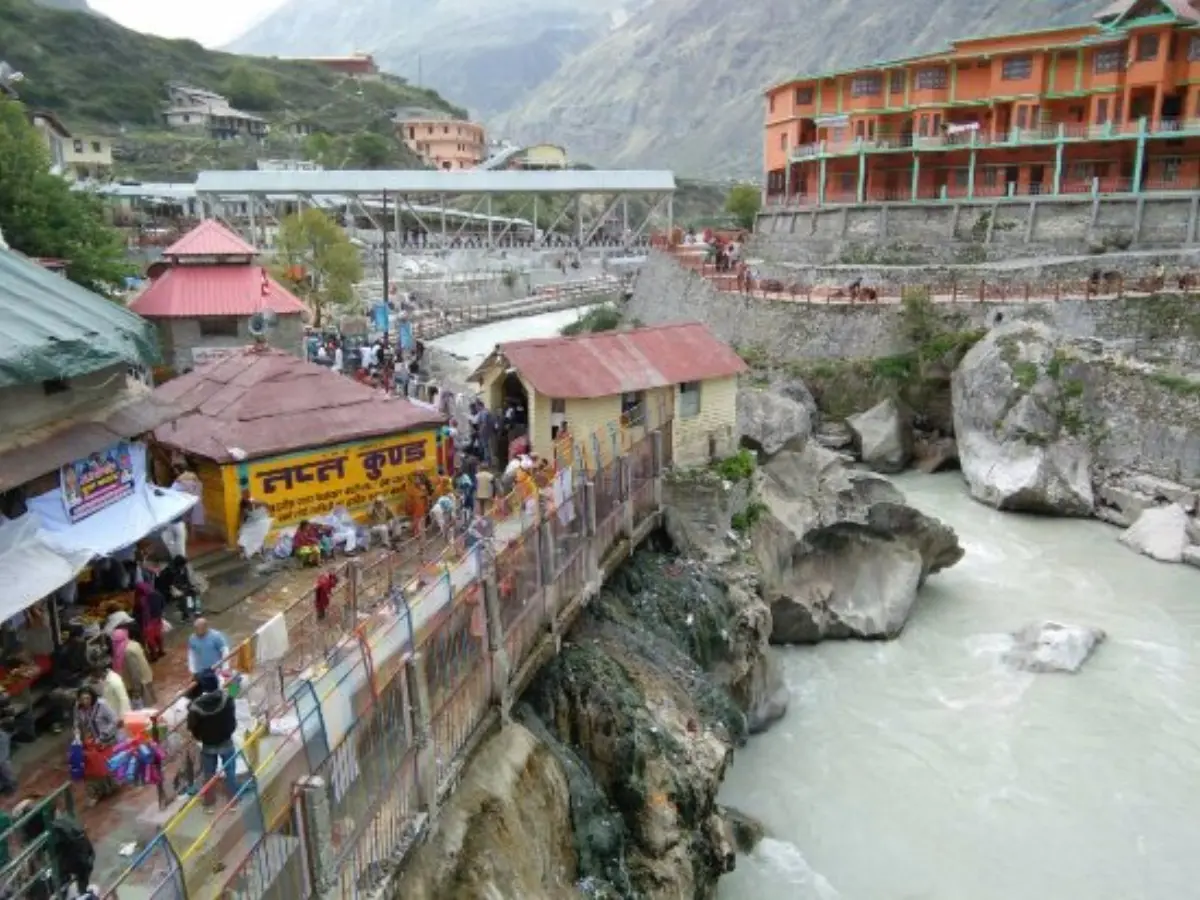
A natural hot spring below the temple where pilgrims traditionally bathe before darshan. Expect a queue at peak hours, and carry a change of clothes.
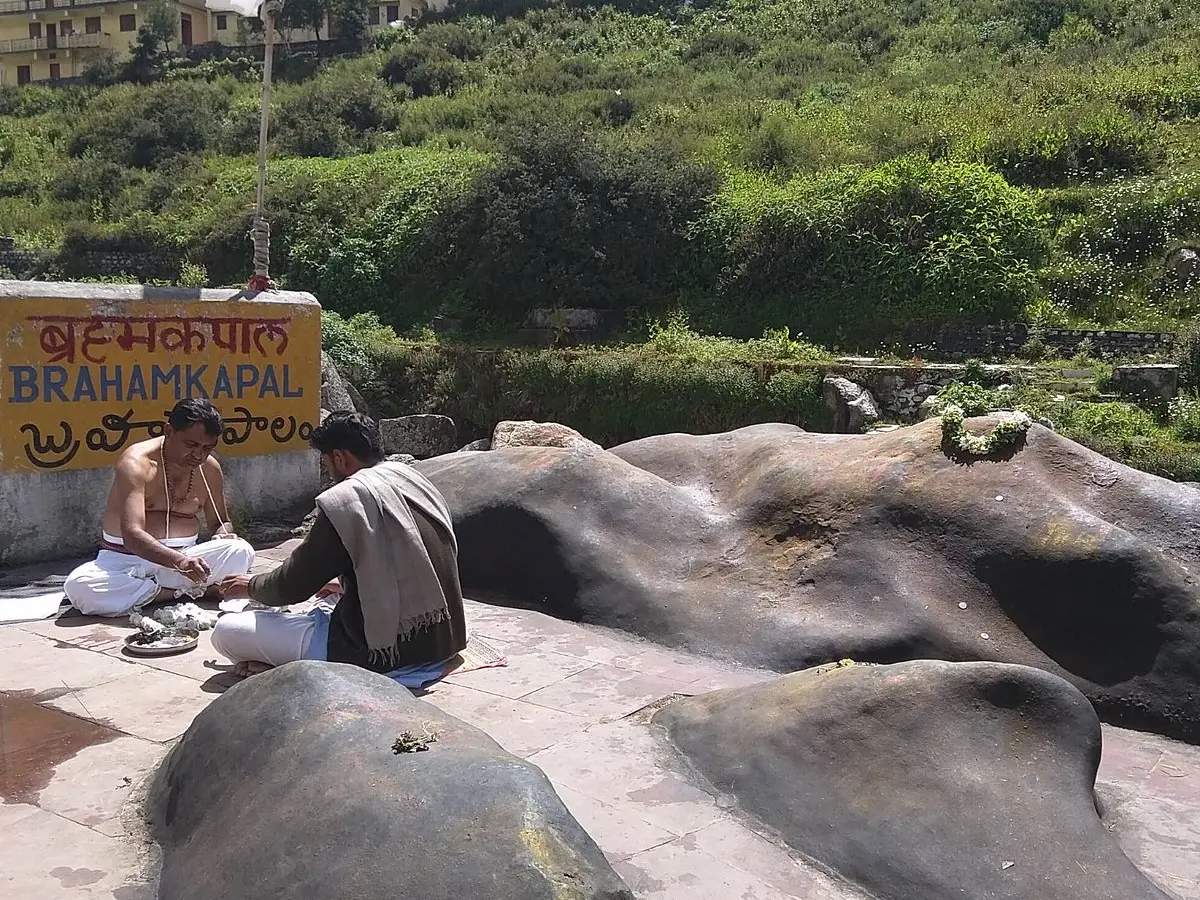
A riverside platform a short walk from the temple, associated with offering rituals for ancestors.
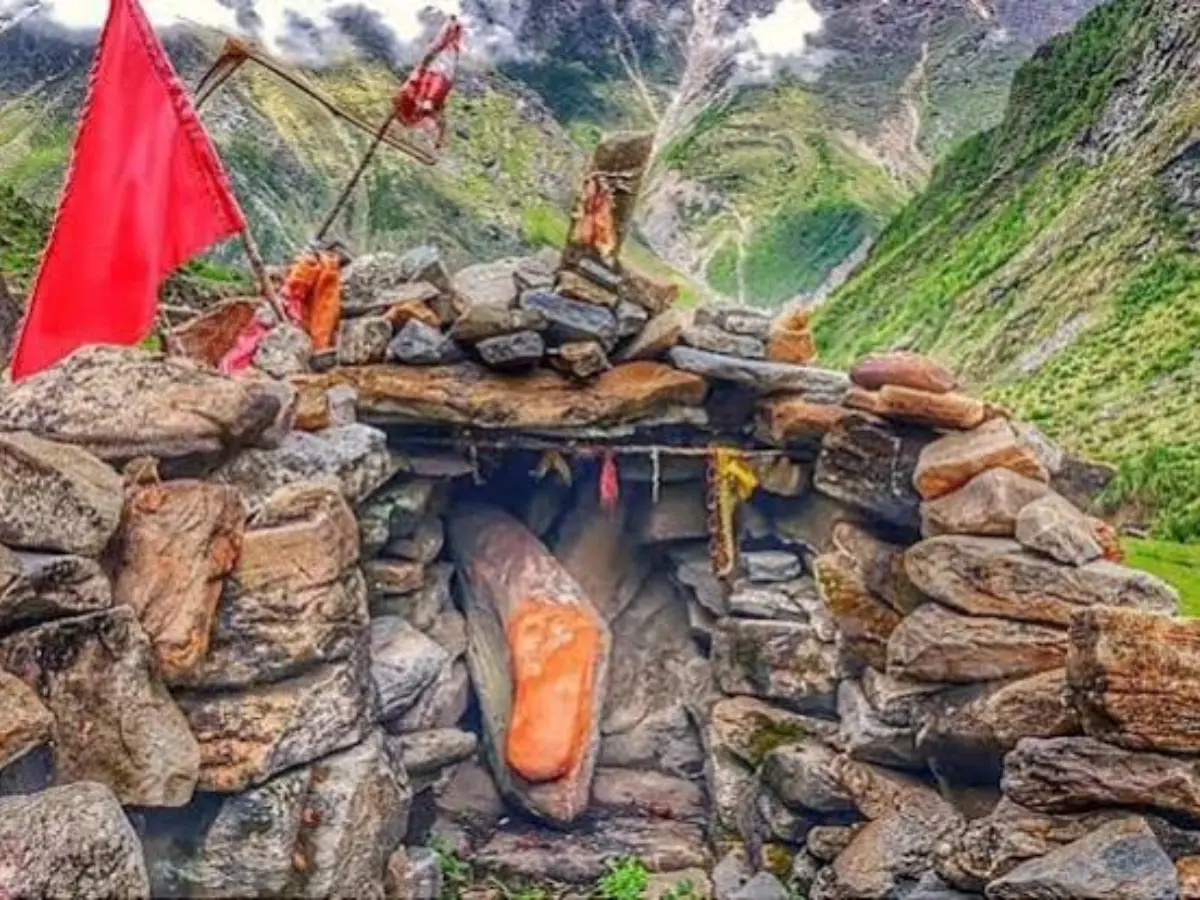
A boulder believed to bear footprints of Lord Vishnu, reached by a short uphill walk with wide views over the valley.
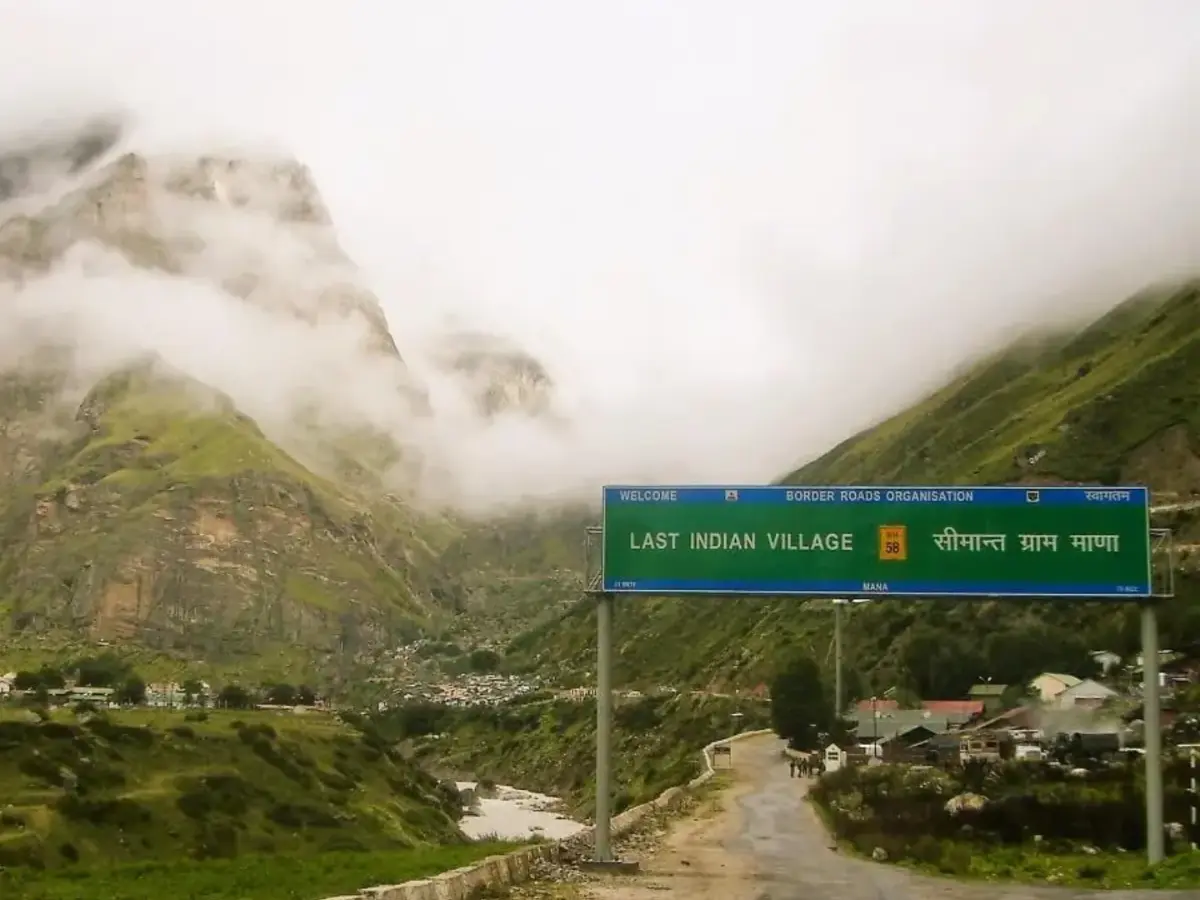
Described as the last Indian village before the Tibet border, a few kilometres from the temple, with caves such as Vyas Gufa and the Bhim Pul bridge nearby.
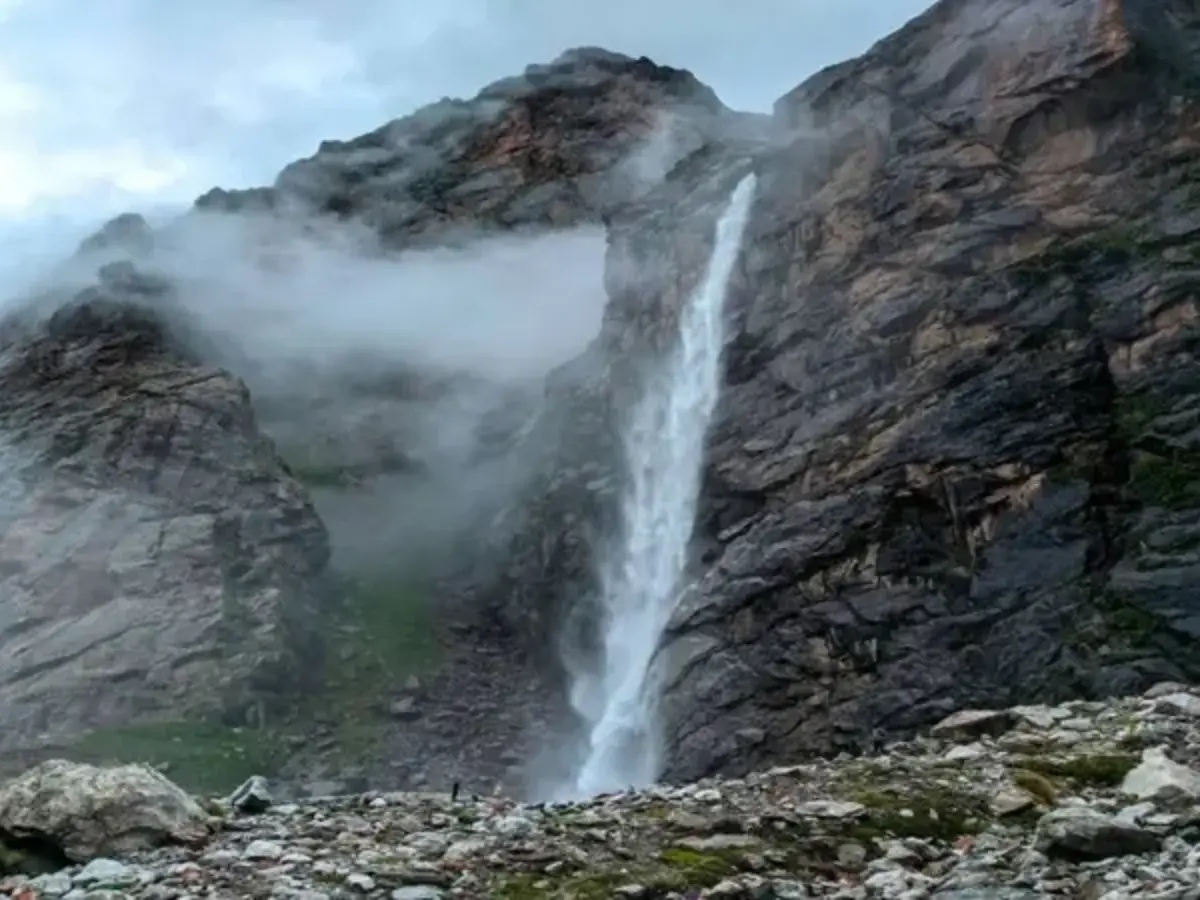
A waterfall reached by a trek beyond Mana. The path is uphill and the weather changes quickly, so go early and check conditions.
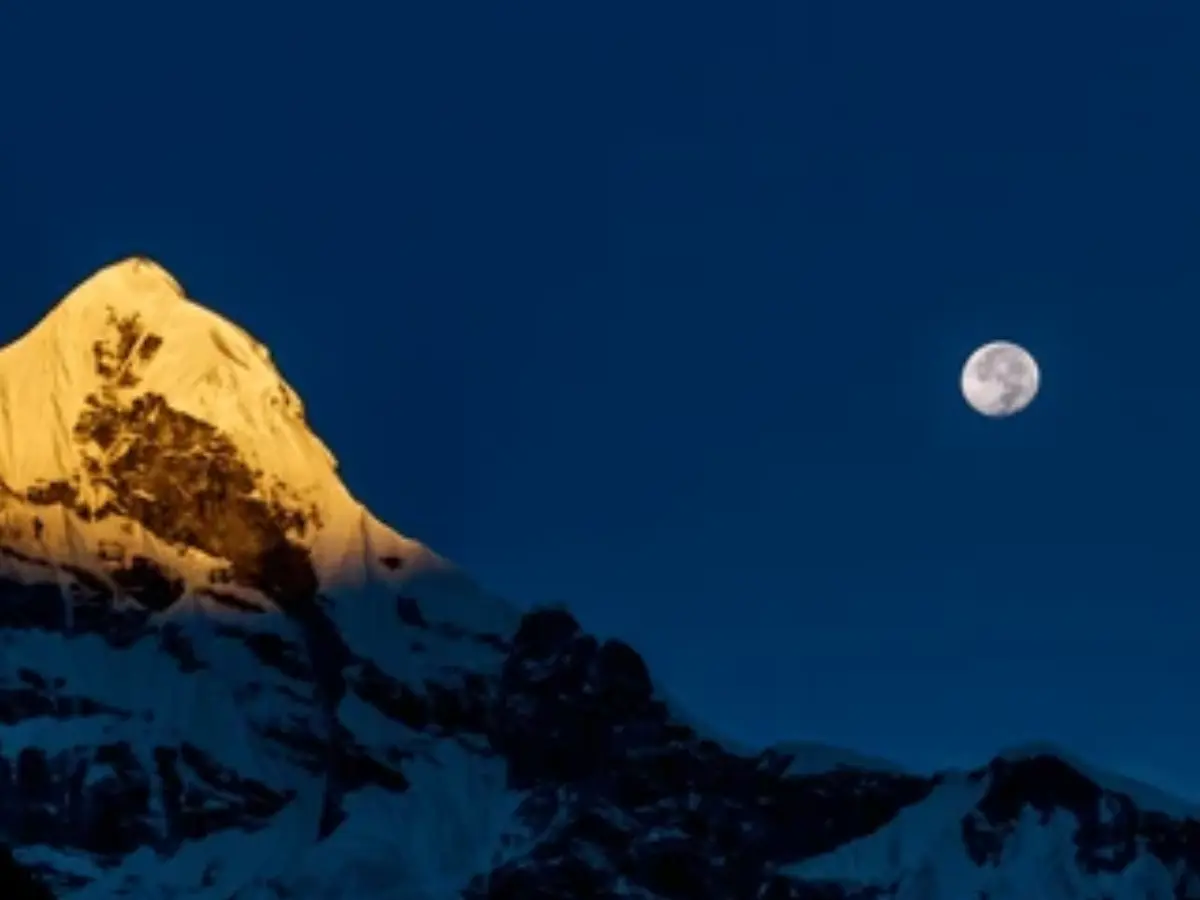
The snow-clad peak that rises above Badrinath and is best seen in clear morning light, a favourite subject for photographers.
Want a longer list with more detail on each spot? Read our guide to the places to visit near Badrinath and plan the day around the stops that interest you.
If you have an extra day or two, these destinations turn a short pilgrimage into a longer Garhwal trip.
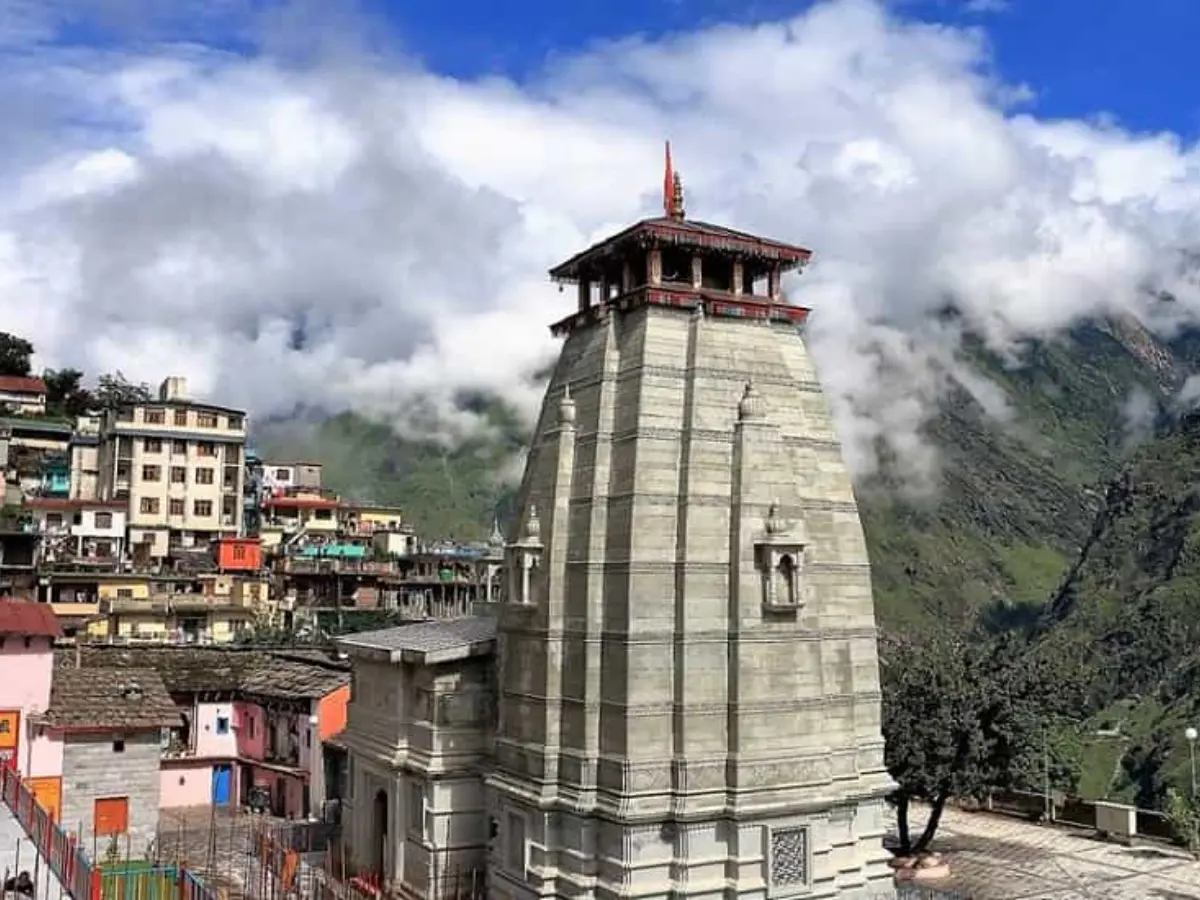
The gateway town to Badrinath, with its own temples, and the winter seat of the deity when the shrine closes. The usual overnight halt on the way up.
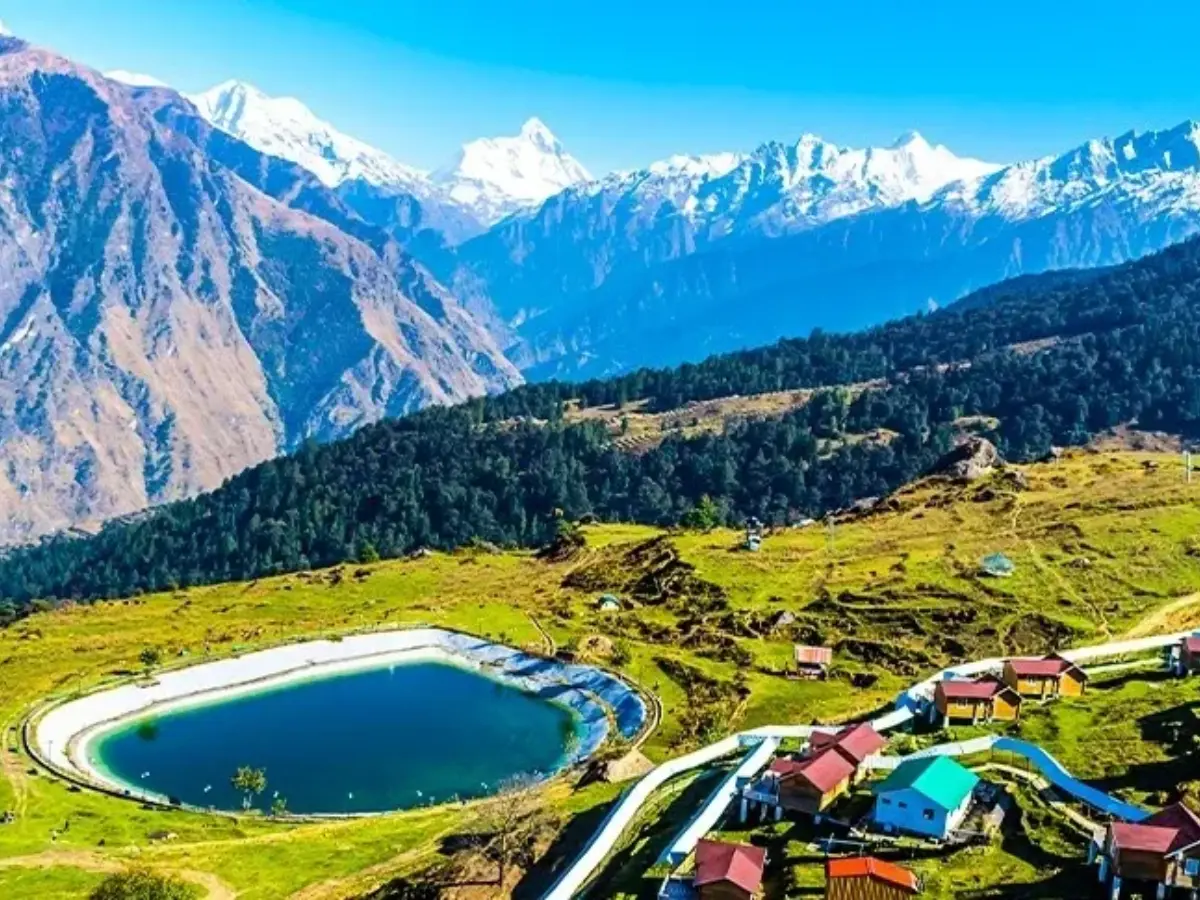
A high meadow near Joshimath known for mountain views and winter skiing, reached by road or ropeway. A good add-on for a fourth day.
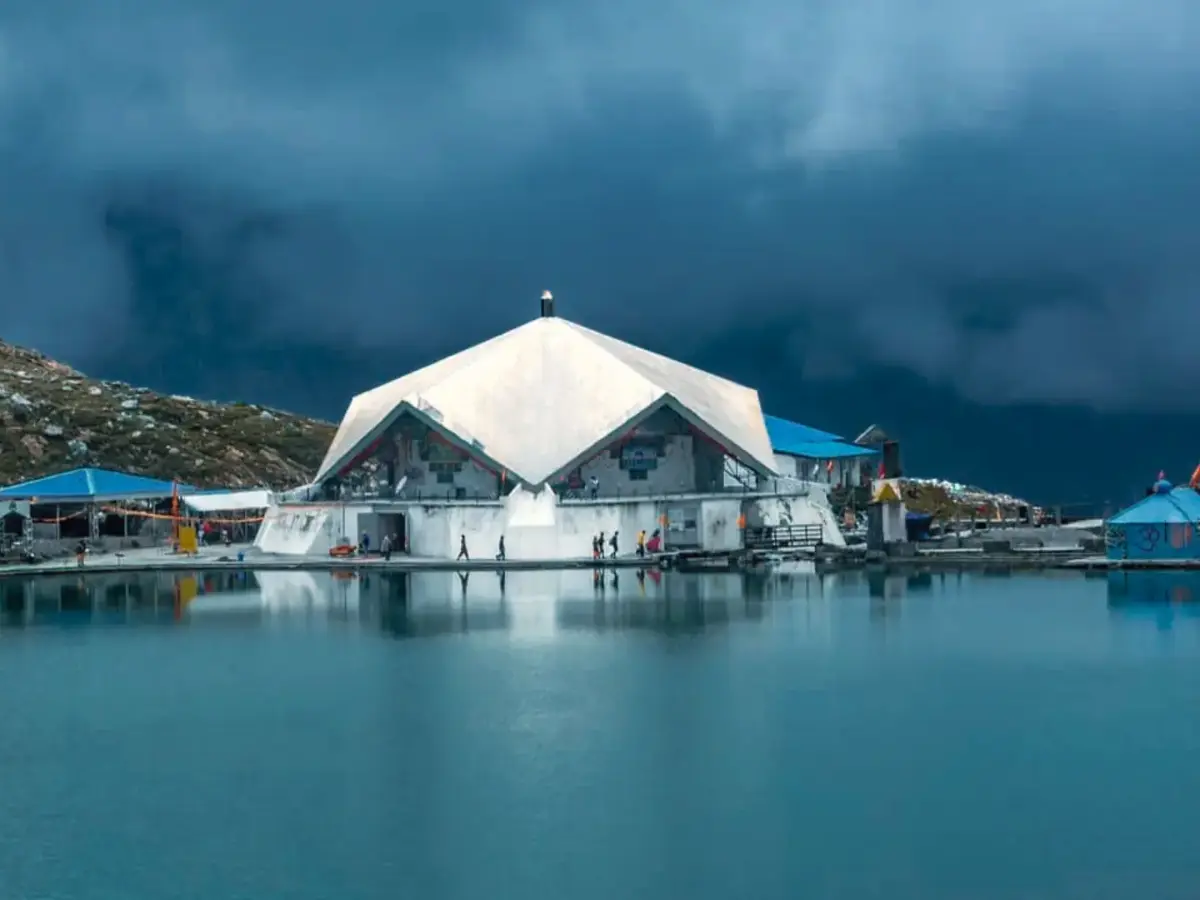
A high-altitude Sikh shrine reached by a trek from Govindghat via Ghangaria, open only in the summer season.
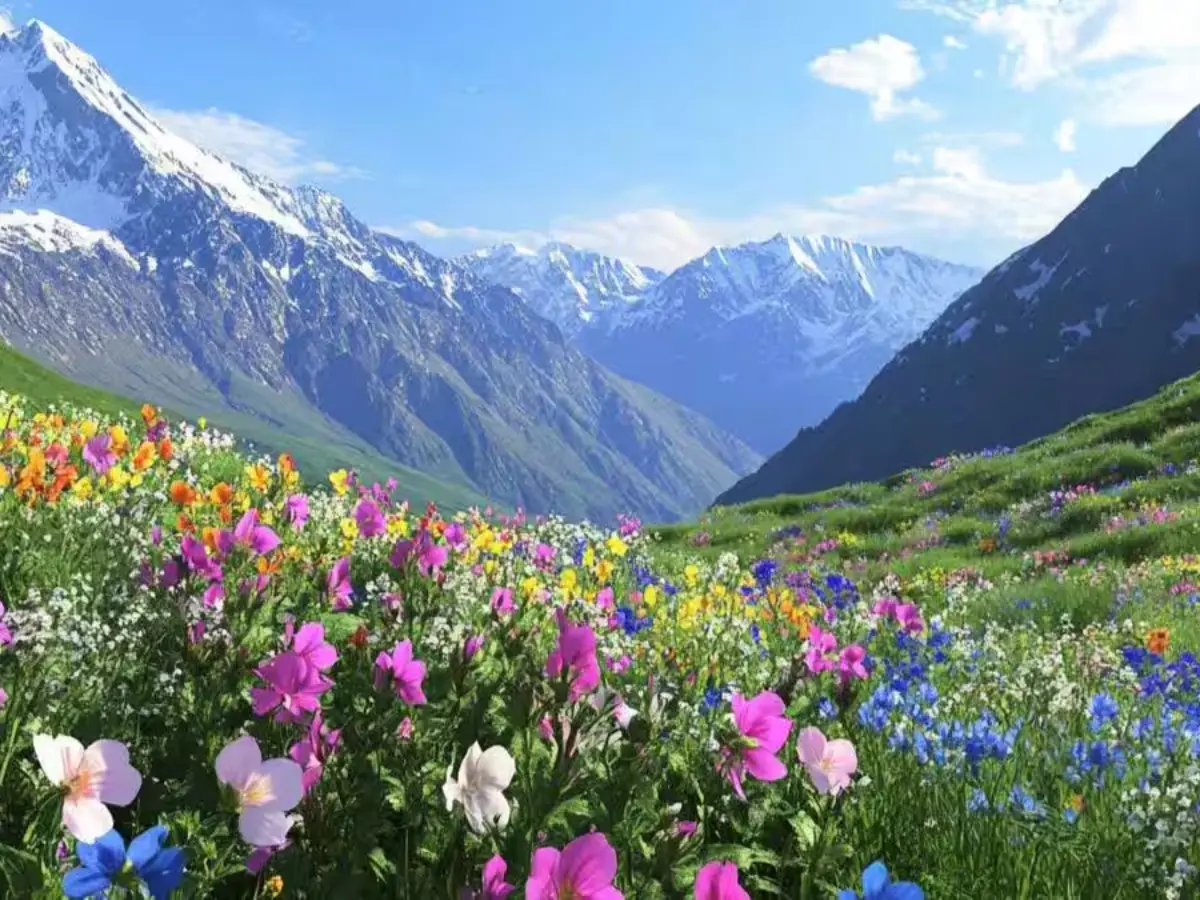
A UNESCO World Heritage Site that blooms in the monsoon, also reached by trek from Ghangaria and open for a limited season.
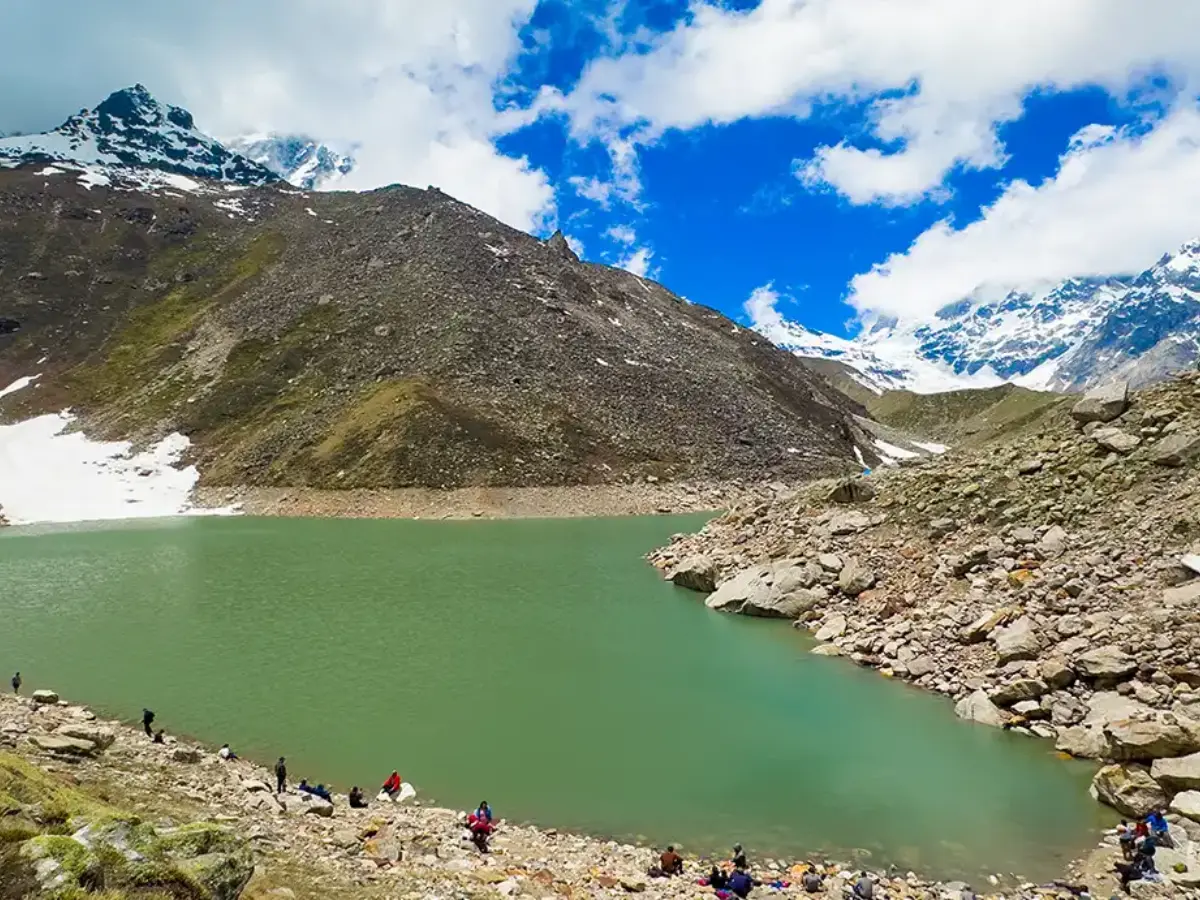
A demanding multi-day trek beyond Mana for experienced trekkers, with permits and guides recommended.
Opening seasons, permits and trek conditions for Hemkund Sahib, Valley of Flowers and Satopanth change from year to year, so confirm current rules before you plan around them.
Badrinath is open only for part of the year. The temple typically opens in the last week of April or the first week of May, around Akshaya Tritiya, and closes in November, usually a couple of weeks after Diwali. The exact dates are announced each year by the temple committee on the Hindu calendar, so always confirm them before you book. If you are reading this in late autumn, the current season is ending, and you are planning for the next spring.
During winter, worship moves to Joshimath and Pandukeshwar, and the shrine stays closed under snow. Daily darshan timings vary through the season, but the morning hours are generally the quietest and the best for travellers with elders or children. Arriving early also means a better chance of clear mountain views and fewer vehicles on the narrow road.
The temple sits at about 3,133 metres, so even a short stay can bring a headache or breathlessness for some people. Walk slowly, drink water, dress warmly even in summer, and avoid rushing from the plains to the temple in a single day if you are sensitive to altitude.
The Badrinath yatra season runs roughly from late April or early May to November, with the best conditions in early summer and again in autumn.
| Season | What to Expect | Notes |
|---|---|---|
| Late Apr – Jun | Cool days, cold nights; clear views, peak crowds | Temple has just opened; book cabs and stays early |
| Jul – Aug | Monsoon rain; green valleys | Higher landslide and road-closure risk; build in buffer days |
| Sep – Nov | Crisp air and clear skies; thinner crowds | Often the best window; confirm the closing date |
| Dec – Apr | Deep snow; temple closed | Not suitable for pilgrimage travel |
Weather in the Himalayas can change within hours. Check the forecast and road status the day before each leg of the journey.
Because most travellers split the journey, the overnight halt matters. Joshimath is the most common choice, with the widest range of hotels and guesthouses close to the final stretch to Badrinath. Pipalkoti and Karnaprayag are quieter alternatives, and Rudraprayag works well if you want to keep the first day shorter.
At Badrinath itself, options include government guest houses, ashrams and small hotels near the temple, but they fill up quickly in the main season and conditions are basic. Many families prefer to return to Joshimath or Pipalkoti after darshan, where it is warmer and easier to rest. Whichever you choose, book ahead in May and June, and share your stay locations with us so your driver can plan each day around them.
The road from Haridwar to Badrinath is a mix of wide national highway and narrow mountain stretches. The first part, up to Rudraprayag, is generally smooth, while sections beyond Chamoli and between Joshimath and Badrinath are steeper and more exposed. Known landslide-prone zones appear on the upper stretch, and in the monsoon these can close the road for hours or longer.
For this reason, we advise starting early, avoiding night driving, and keeping a spare day in your plan. Carry water, snacks and any medication you need, and keep your phone charged. Your driver will check current road updates before each leg, and may suggest waiting or changing your halt if conditions look unsafe.
Altitude is the other factor. If you are travelling with elders or anyone with heart or breathing conditions, consult a doctor beforehand and consider an overnight halt at Joshimath to acclimatise before going higher.
Registration is required for the Char Dham Yatra, including Badrinath, and is managed through the Uttarakhand government’s official yatra portal, with counters in Haridwar and Rishikesh as well. Rules and procedures can change each season, so confirm the latest requirements close to your travel date. Carry a valid photo ID and a printed or digital copy of your registration.
Vehicles entering the Char Dham route also need the appropriate permit or entry documentation. When you book a taxi with us, we handle the vehicle side and guide you on what you need to carry personally.
An early departure from Haridwar gives you more daylight on the mountain road.
Thermals, a windproof jacket, a rain cover and a woollen cap, even in summer.
Overnight at Joshimath or Pipalkoti rather than pushing straight through.
ATMs are limited beyond Joshimath and network can be patchy.
Taxis and rooms fill quickly from May to June and around the closing dates.
A landslide or checkpoint delay should not wreck your train or flight home.
Badrinath is one of many outstation routes we run from the city. If you are planning a wildlife break instead, our Haridwar to Jim Corbett taxi page covers the distance, route and fares for that trip. For local sightseeing, airport transfers and other destinations, see the full Haridwar taxi service page.
Many travellers also combine routes: for example, Haridwar to Badrinath for the pilgrimage, and a Corbett trip on a separate holiday. Tell us your plans and we can suggest sensible combinations, or quote each trip separately.
Share your pickup point, dates, group size, and whether you want a one-way drop, round trip or package. You can reach us on 9368028472.
We suggest the right vehicle, confirm the fare and what it includes, and answer questions about the route and halts.
We share the vehicle and driver details before pickup, so you know who to expect at your hotel, station or airport.
The distance is about 320 km by road, with quoted figures ranging from roughly 310 to 330 km. The drive usually takes 10 to 12 hours.
The fare depends on the vehicle, one-way or round trip, number of days and season. Call 9368028472 or WhatsApp us for a confirmed quote for your dates.
About 10 to 12 hours of driving. Most travellers split it over two days with an overnight halt at Joshimath or Pipalkoti.
Yes, one-way drops are available. Availability and pricing depend on the date and vehicle, so confirm when you book.
Yes. A Badrinath to Haridwar drop is a common booking, and pre-booking is recommended because taxi availability at Badrinath can be limited in the evening.
Yes. Typical plans are 3 days and 2 nights for Badrinath only, and 5 to 6 days for Kedarnath and Badrinath together. We customise the plan and price to your group.
It depends on the vehicle, number of days and season. The road leg to Sonprayag is about 227 km, and the final stretch to the temple is on foot, by pony or palki, or by helicopter. Call us for a quote.
Roughly 220 km, usually 8 to 10 hours, since there is no direct road between the two shrines.
No. The nearest railheads are Haridwar and Rishikesh, and the nearest airport is Jolly Grant near Dehradun. The rest of the journey is by road.
The temple usually opens in late April or early May and closes in November. Exact dates are announced each year by the temple committee.
For up to four people a sedan is enough. For five to seven, an Ertiga or Innova Crysta is more comfortable, and groups of nine or more usually do best in a Tempo Traveller.
It is a busy, well-used mountain road, but landslides and closures can occur, especially in the monsoon. Start early, avoid night driving, and check conditions before each leg.
Tell us your dates, pickup point and group size, and we will confirm the right vehicle and fare. For other routes and local rides, see our Haridwar taxi service page, or learn more about DivyaShree Cabs.
Phone / WhatsApp: 9368028472 · Email: divyashreecabs@gmail.com